Manuel Neuer Comes Out of Retirement: Germany’s 26 Lands With a 40-Year-Old Legend in Goal
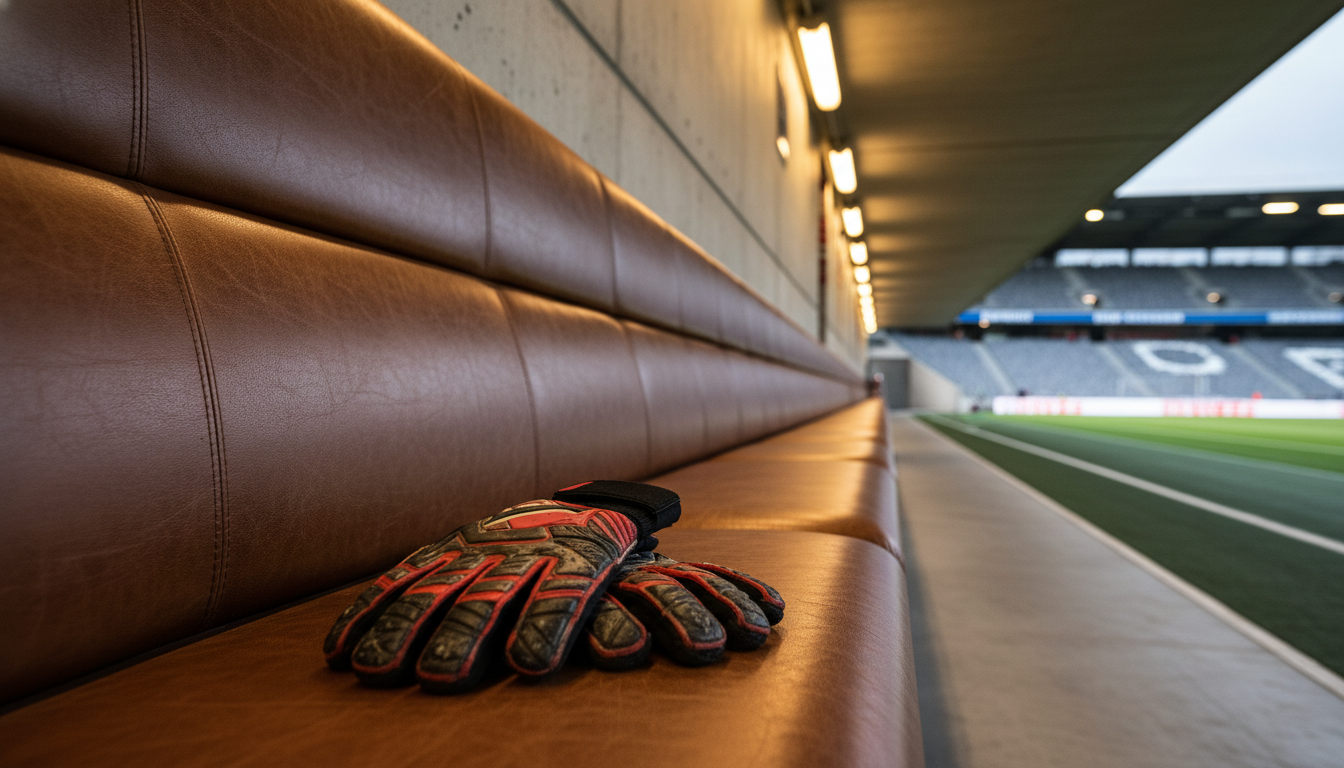
Julian Nagelsmann’s Germany squad for the 2026 FIFA World Cup, set to be officially confirmed on Thursday 21 May, will feature a truly remarkable story at its core: the international return of Manuel Neuer. At 40 years old, the Bayern Munich veteran has been named Germany’s undisputed No. 1, ending his international retirement and displacing Oliver Baumann, who had been the first-choice goalkeeper in recent months for the national side. This decision by Nagelsmann is undoubtedly the headline news from a squad announcement that also sees seven other notable players miss out, either through injury or tactical omission, while several young prospects earn their place on the plane to North America.
The re-integration of Neuer, a player who will turn 40 before the tournament kicks off on 11 June, signals a clear intent from Nagelsmann to lean on unparalleled experience in a crucial position. While Baumann had performed capably, Neuer’s return suggests Nagelsmann prioritizes a goalkeeper with a proven track record under immense tournament pressure and a leadership presence that few can match. This move, while potentially surprising to some given Neuer’s age and recent international absence, is a testament to his enduring quality and Nagelsmann’s trust in his ability to perform at the highest level. The implications for Germany’s defensive stability and overall team dynamic are significant, providing a familiar and commanding figure behind a relatively young backline.
The Return of a Legend: Neuer’s Unprecedented Comeback
Manuel Neuer’s comeback at 40 years old is not merely a feel-good story; it is a calculated decision by Julian Nagelsmann with clear tactical and psychological underpinnings. For a German side that faced an extra-time exit to Spain in the Euro 2024 quarter-finals, the stability and authority Neuer brings could be invaluable. His renowned ‘sweeper-keeper’ style, characterized by his aggressive positioning and ability to play as an auxiliary defender, aligns well with modern football’s demands for goalkeepers to be proficient with their feet. This attribute will be particularly pertinent in Nagelsmann’s preferred 4-2-3-1 system, where quick distribution and participation in build-up play from the back are critical. Neuer’s long-standing experience at the highest club level with Bayern Munich, maintaining elite performance standards into his fourth decade, provides a strong basis for Nagelsmann’s confidence. His presence will undoubtedly elevate the entire defensive unit, offering not just shot-stopping prowess but also an organizational voice that can command the penalty area and orchestrate play from deep. The transition for Oliver Baumann back to a support role, after his tenure as the primary custodian, underscores the magnitude of Neuer’s return and the belief placed in his capacity to deliver under the intense scrutiny of a World Cup.
Nagelsmann’s Defensive Foundation: Kimmich, Tah, and Schlotterbeck
Beyond the goalkeeper position, Nagelsmann’s defensive selections reveal a pragmatic approach aimed at balancing experience with modern tactical requirements. Joshua Kimmich, a player long associated with central midfield, will assume the captaincy and operate primarily at right-back. This positional shift for Kimmich is a key tactical adjustment under Nagelsmann, allowing Germany to leverage his exceptional passing range, defensive work rate, and leadership qualities from a deeper, wider position. His ability to invert or overlap provides tactical flexibility, crucial for initiating attacks and supporting the midfield pivot in the 4-2-3-1 setup. This move also potentially frees up central midfield roles for other specialists, ensuring a robust engine room.
At the heart of the defense, the partnership of Jonathan Tah and Nico Schlotterbeck is set to anchor the backline. Tah brings a physical presence and aerial dominance, offering a traditional centre-back profile. Complementing him is Nico Schlotterbeck, a left-footed defender known for his ability to build play from the back. Schlotterbeck’s comfort on the ball and progressive passing range are vital for Nagelsmann’s system, enabling Germany to bypass the initial press and transition quickly from defense to attack. His partnership with Tah combines defensive solidity with crucial ball-playing attributes, which will be essential against opponents who press high or sit deep. This blend of attributes in the central defensive pairing ensures Germany possesses both the resilience to withstand pressure and the technical quality to instigate offensive movements from deep within their own half.
Creative Force and Attacking Depth: The Front-Line Puzzle
Germany’s attacking options for the 2026 World Cup are characterized by a blend of technical brilliance, pace, and versatility, all designed to thrive within Nagelsmann’s 4-2-3-1 formation. The front-line attackers include Jamal Musiala, Florian Wirtz, Nick Woltemade, Kai Havertz, and Leroy Sané. Musiala and Wirtz, in particular, represent the creative heartbeat of this German side. Both possess exceptional dribbling skills, vision, and an uncanny ability to create chances in tight spaces, operating effectively in the central attacking midfield roles or drifting wide. Their capacity to link up with the lone striker and provide through balls or cutbacks will be paramount to Germany’s offensive success.
Kai Havertz offers a versatile option, capable of playing as a false nine, an attacking midfielder, or even on the wing. His intelligent movement off the ball, aerial presence, and clinical finishing make him a valuable asset for breaking down disciplined defenses. Leroy Sané, with his explosive pace and directness, provides a significant threat on either flank, capable of beating defenders one-on-one and delivering dangerous crosses or cutting inside for shots. Nick Woltemade’s inclusion adds another dimension, potentially offering a more traditional striking option or a different profile for hold-up play, depending on Nagelsmann’s tactical adjustments during matches. The depth and interchangeability among these attackers will allow Nagelsmann to tailor his offensive strategy to specific opponents, ensuring Germany maintains a dynamic and unpredictable threat in the final third. The emphasis on technical proficiency and fluid movement among these players is a clear indicator of Nagelsmann’s philosophy to dominate possession and create numerous goal-scoring opportunities.
Youth Infusion and Notable Absences: A Squad in Transition
Nagelsmann’s squad selection also highlights a strategic blend of established talent with an infusion of promising youth, signaling an eye toward both immediate tournament success and future development. Among the younger players earning a call-up is Lennart Karl, a teenager from Bayern Munich, whose inclusion underscores Nagelsmann’s willingness to blood emerging talent from top club academies. Similarly, Said El Mala from Cologne has been included, as predicted, further emphasizing the manager’s commitment to integrating young players who have demonstrated strong club form. These youth call-ups are not merely symbolic; they provide energy, ambition, and a fresh perspective, challenging established players and offering depth for a demanding tournament schedule. Their presence suggests Nagelsmann is building a squad with long-term vision, ensuring a pipeline of talent for future international competitions.
However, the squad announcement is also marked by some significant absences. Serge Gnabry, a player with considerable international experience and an ability to impact games with his direct running and goal-scoring, misses out due to injury. His absence will undoubtedly be felt, particularly in terms of wide attacking options and proven tournament pedigree. Another notable omission is Niclas Füllkrug. Füllkrug had previously been a reliable option, often providing a physical presence and a potent goal threat from the striker position. His exclusion suggests a tactical shift by Nagelsmann, perhaps favoring more fluid, technically adept attackers who align better with the 4-2-3-1 system’s emphasis on movement and interchanging positions, or simply a reflection of other players’ current form. These absences, while regrettable, open doors for other players to step up and demonstrate their capabilities on the grandest stage, further shaping the narrative of a German squad in a state of calculated evolution under Nagelsmann.
Navigating Group E: Initial Challenges and Tournament Aspirations
Germany’s path in the 2026 FIFA World Cup will begin in Group E, where they are drawn alongside Curaçao, Côte d’Ivoire, and Ecuador. This group presents a varied set of challenges, requiring Germany to adapt to different styles of play and tactical approaches. Their opening fixture will be against Curaçao on 14 June at NRG Stadium in Houston, a match that Germany will be expected to dominate. This first game will be crucial for building momentum, allowing the team to settle into the tournament rhythm and for Nagelsmann to fine-tune his 4-2-3-1 system in a competitive environment. The focus will be on securing a comfortable victory while avoiding unnecessary injuries and conserving energy for the tougher challenges ahead.
Côte d’Ivoire will likely offer a more physical and athletic test, known for their individual brilliance and powerful attacking play. Ecuador, on the other hand, typically relies on disciplined defending, quick transitions, and exploiting set-piece opportunities. Germany will need to demonstrate tactical flexibility and mental fortitude to navigate these matches successfully. While Germany will be considered favorites to top Group E, underestimating any opponent in a World Cup can be perilous. Nagelsmann’s strategic planning for these group stage encounters will be vital, focusing on maximizing points while also managing player fatigue and potential yellow card accumulation. The objective will be not just to advance, but to do so convincingly, sending a strong message to potential knockout stage opponents and building confidence within the squad as they aim for a deep run in the tournament.
Germany’s Standing: Odds, Expectations, and the Road Ahead
As the 2026 FIFA World Cup approaches, Germany’s outright odds are currently set at +1400, placing them as the seventh favorite on the board. This market position reflects a blend of historical pedigree, recent performance, and the perceived strength of their current squad and tactical setup under Julian Nagelsmann. The odds suggest that while Germany is considered a contender, they are not among the absolute favorites, indicating that the market sees several other nations with a higher implied probability of lifting the trophy. This perception might stem from their quarter-final exit in Euro 2024 against Spain, which highlighted areas for improvement despite a generally positive tournament showing. The return of Manuel Neuer at 40, while injecting experience and leadership, also introduces an element of the unknown regarding sustained performance over a grueling tournament. Similarly, the positional shift for Joshua Kimmich and the integration of young talents like Lennart Karl and Said El Mala, while promising, are still relatively fresh developments that will need to prove their efficacy on the biggest stage.
The +1400 odds imply that Germany faces an uphill battle, but also that there is significant value for bettors who believe Nagelsmann can orchestrate a deep run. Their tactical setup, the 4-2-3-1, is well-established and allows for both defensive solidity and potent attacking play through the likes of Musiala, Wirtz, and Sané. The challenge for Nagelsmann will be to ensure consistency, manage squad rotation effectively, and inspire peak performances when it matters most. The group stage, with matches against Curaçao, Côte d’Ivoire, and Ecuador, presents an opportunity for Germany to build confidence and refine their system. A strong showing there could see their odds shorten significantly. Ultimately, Germany’s success will depend on how well this blend of veteran leadership, emerging talent, and tactical innovation coalesces under the immense pressure of a World Cup, aiming to surpass market expectations and challenge for the ultimate prize.
The upcoming 2026 FIFA World Cup represents a significant juncture for German football, with Julian Nagelsmann at the helm making bold decisions, none more striking than the recall of 40-year-old Manuel Neuer. This squad, a blend of established stars like Kimmich, creative forces such as Musiala and Wirtz, and promising youth like Karl and El Mala, is poised to navigate a challenging Group E and aim for a deep run in the tournament. The tactical framework of a 4-2-3-1, combined with a clear strategic vision, provides the foundation for their campaign, as they seek to overcome the disappointment of Euro 2024 and reassert their status on the global stage, despite market odds placing them as a strong but not overwhelming contender.
Sources: beIN Sports — Nagelsmann’s official Germany squad, Sports Illustrated — Germany 2026 roster, 40-year-old legend returns, Yahoo Sports — Germany announces squad, 7 notable stars left out, Bundesliga — How will Germany line up at WC 2026
Sources

Related news
Mexico 2-0 South Africa: Quiñones, Jiménez and Three Red Cards in a Historic Opener
Mexico beat South Africa 2-0 at Estadio Azteca on Thursday 11 June to open the 2026…
17 Days Out: The 2026 World Cup Squad Announcement Week Is Complete
Brazil, Switzerland, Germany, England and Spain have all submitted their final 26. Argentina's cut lands 2…
Manuel Neuer’s Comeback at 40: Inside Germany’s Most Talked-About Goalkeeper Decision
Manuel Neuer has come out of international retirement to be Germany's No. 1 at the 2026…