Mexico 2-0 South Africa: Quiñones, Jiménez and Three Red Cards in a Historic Opener
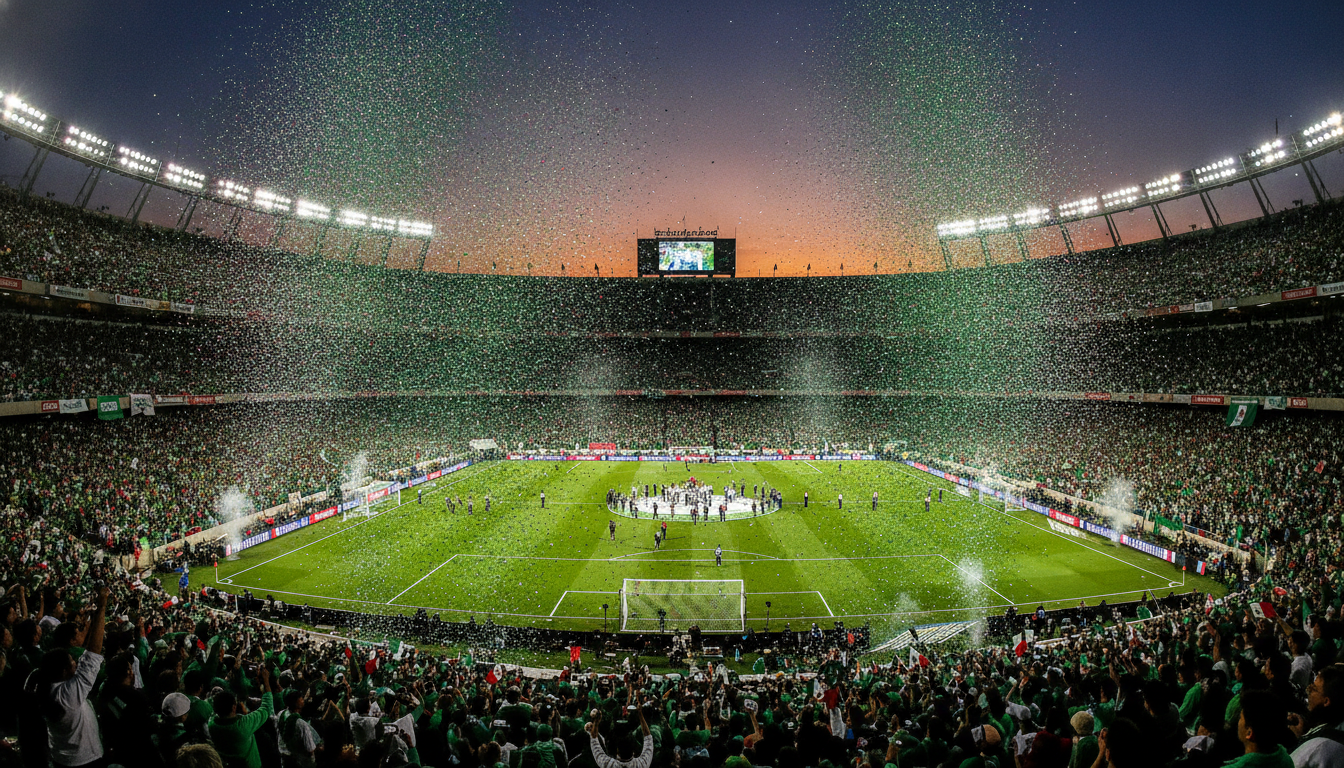
Mexico commenced their 2026 FIFA World Cup campaign with a decisive 2-0 victory over South Africa at the venerable Estadio Azteca on Thursday, 11 June. The opening match of the tournament, played before a capacity crowd in Mexico City, delivered on its promise of drama and historical significance, not least due to an unprecedented three red cards – a first for a World Cup opener. Julián Quiñones set the tone with an early strike in the 9th minute, followed by a second-half header from Raúl Jiménez, securing a crucial three points for Javier Aguirre’s squad.
The fixture, kicking off at 15:00 ET, was more than just a curtain-raiser; it was a statement. For Mexico, it was an opportunity to leverage home advantage and assert dominance in Group A, which also features Korea Republic and Czechia. For South Africa, having qualified impressively by topping their CAF group ahead of Nigeria, it represented a formidable challenge against a formidable opponent in a demanding environment. The outcome, while perhaps anticipated by the pre-match moneyline of -180 on Mexico, unfolded with a narrative complexity that will undoubtedly be dissected in the days and weeks to come.
The Fervor and the Favoritism: Azteca Sets the Stage
Estadio Azteca, an iconic venue in global football, etched another chapter into its illustrious history by becoming the first stadium ever to host matches across three different men’s World Cups (1970, 1986, 2026). This unique distinction underscores not only Mexico’s rich footballing heritage but also the enduring legacy of a stadium that has witnessed some of the sport’s most memorable moments. The atmosphere for the opener, with 87,000 spectators filling the stands, was predictably electric, providing a palpable lift to the home side. The roar of the crowd, a potent psychological weapon, was undoubtedly a factor in Mexico’s early assertiveness, contributing to a high-tempo start that immediately put pressure on the visiting team.
Beyond the sheer volume of support, the geographical realities of Estadio Azteca presented a significant challenge for the visiting South African side. Situated at an altitude of 2,200 metres, the thin air of Mexico City is notorious for its taxing effect on athletes unaccustomed to such conditions. This physiological hurdle can lead to quicker fatigue, reduced stamina, and a general diminishment of performance levels, particularly in the later stages of a high-intensity match. For Mexico, acclimatized to these conditions, it represents a tangible competitive edge, one that Javier Aguirre’s tactical setup would have undoubtedly sought to exploit by maintaining a brisk pace early on. The pre-match betting market, with Mexico priced at -180, reflected this confluence of factors – home advantage, historical pedigree, and environmental benefits – making them clear favorites to open their tournament account with a win. The cashing of that moneyline confirmed the market’s accurate assessment of the initial probabilities, aligning the statistical forecast with the on-field result.
Early Strike, Controlled Response: Quiñones and Jiménez Deliver
Mexico’s intent was clear from the outset, and it paid dividends within the opening ten minutes. Julián Quiñones broke the deadlock in
Sources

Related news
Five Days In: Where Matchday 1 Has Left the 2026 World Cup Favourites
Mexico routine, USA emphatic, Germany sensational. But Brazil were second-best for stretches against Morocco, Switzerland could…
Scotland 1-0 Haiti: Scotland’s First World Cup Win Since 1998
Scotland beat Haiti 1-0 at Gillette Stadium in Boston on Sunday 14 June for their first…
Germany 7-1 Curaçao: Havertz Brace, Musiala, Schlotterbeck — Nagelsmann’s Statement
Germany overwhelmed Curaçao 7-1 at NRG Stadium in Houston on Sunday 14 June. Kai Havertz scored…