South Korea 2-1 Czechia: A Late Comeback That Reset Group A
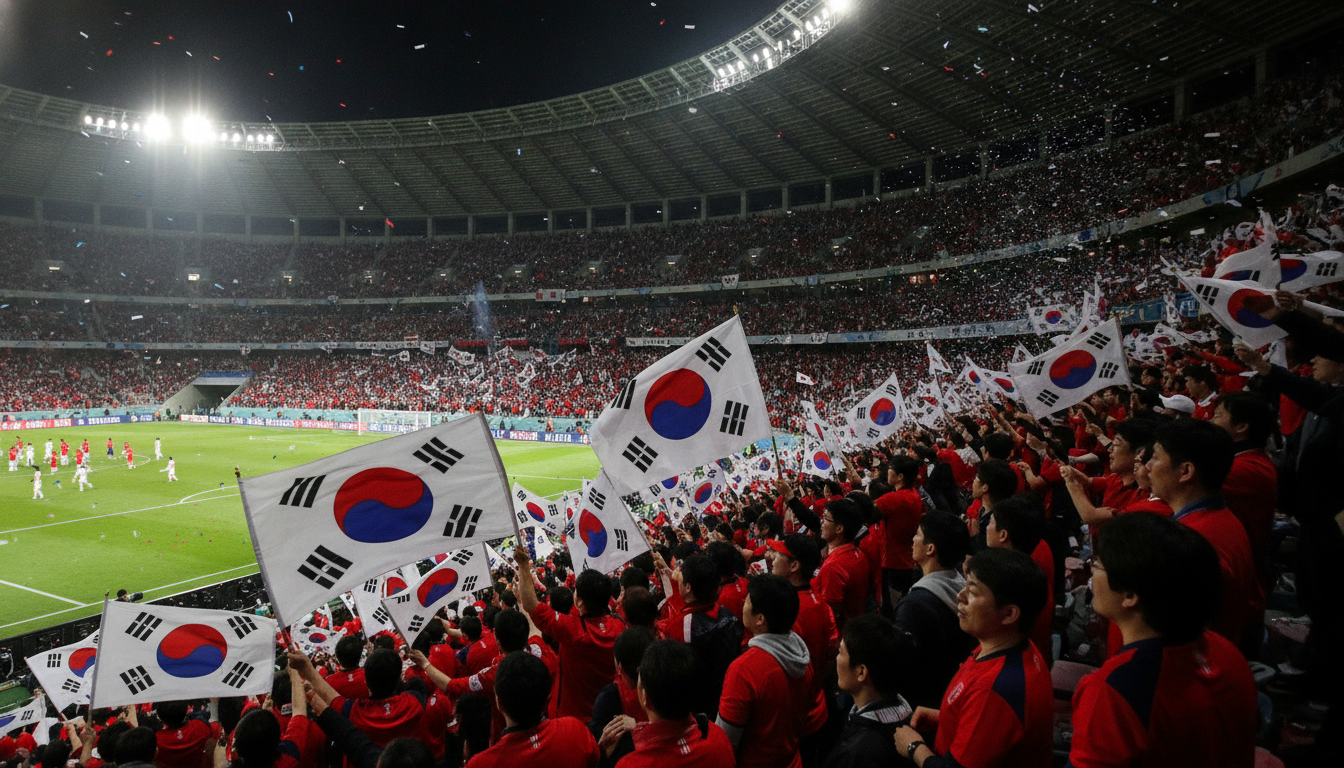
South Korea came from behind to beat Czechia 2-1 in Guadalajara on Friday 12 June. Son Heung-min and a substitute strike inside the final 20 minutes turned a one-goal deficit into three points, and gave Group A its first major plot twist alongside Mexico’s win.
The Guadalajara Setting: Altitude and Opening Stakes
The opening match for South Korea and Czechia in Group A of the 2026 FIFA World Cup delivered immediate drama at Estadio Akron in Guadalajara. Situated at an elevation of 1,566 meters, the venue presented a unique challenge for both teams, particularly for those players less accustomed to operating at such altitudes. The thin air can significantly impact player stamina and tactical approaches, often leading to shifts in momentum during the latter stages of a match. For a tournament opener, the conditions added another layer of complexity to the strategic battle between Hong Myung-bo’s South Korea and Ivan Hašek’s Czechia, setting the stage for a contest where physical conditioning and late-game resilience would prove critical.
This fixture was not just about securing three points; it was about laying down a marker in a competitive Group A that also features host nation Mexico and South Africa. With Mexico having already secured a 2-0 victory over South Africa on matchday 1, the pressure was on both South Korea and Czechia to avoid an early deficit in the standings. A loss for either side would immediately place them at a disadvantage, making this encounter more than just an isolated event but a foundational step in their respective campaigns. The immediate goal difference implications, particularly in a group where Mexico had already established a positive margin, underscored the importance of every goal and every point contested in Guadalajara.
Czechia’s Early Initiative: A Group A Statement
From the outset, Czechia demonstrated a clear intent to assert themselves in Group A, striking first and establishing an early lead against South Korea. This initial breakthrough positioned Ivan Hašek’s side to control the tempo of the match and build confidence in their tournament debut. Securing an early advantage is often a critical psychological boost in major tournaments, allowing a team to play with less pressure and potentially dictate the terms of engagement. For Czechia, taking the lead against a formidable South Korean side represented a strong statement of intent for their ambitions in the group, suggesting a well-drilled approach designed to capitalize on early opportunities and manage the game from a position of strength.
However, the challenge of maintaining that advantage over a full 90 minutes, especially under the demanding conditions of Estadio Akron, would ultimately test Czechia’s resolve. While their initial goal provided a tangible lead, the subsequent periods of the match would reveal the inherent difficulties in sustaining a high level of performance and defensive solidity against a team like South Korea, known for its persistence and attacking prowess. The early goal, while significant, proved to be only one chapter in a match that would eventually unfold dramatically, highlighting the fine margins that define World Cup encounters and the constant need for vigilance until the final whistle. The initial statement of intent would be overshadowed by the match’s concluding narrative.
Korea’s Second-Half Surge: Tactical Adjustments Under Hong Myung-bo
South Korea, under the guidance of manager Hong Myung-bo, demonstrated significant tactical fortitude to overcome their initial deficit. Having qualified for the tournament by winning AFC Group B, Korea entered the World Cup with a proven track record of consistency and strategic depth. The decision-making from the technical area, particularly in response to conceding an early goal, became paramount. Hong Myung-bo’s adjustments, whether personnel changes, shifts in formation, or instructions to press higher and commit more players forward, were instrumental in altering the match’s trajectory. The team’s ability to maintain composure and execute these changes under pressure speaks volumes about their preparation and collective discipline, attributes that are essential for success on the global stage.
The inherent challenges of playing at altitude, coupled with the need to chase the game, would have factored heavily into Hong Myung-bo’s strategic considerations. Managing player fatigue and ensuring the team retained enough energy for a late push would have been a delicate balance. The fact that Korea not only recovered but scored twice in the final 20 minutes suggests a deliberate approach to conserve energy and then unleash an intensified offensive effort during a period when opponents might be more susceptible to fatigue. This strategic patience and the execution of a late-game surge underscore the analytical depth of Hong Myung-bo’s management, turning a potentially damaging match into a significant victory through calculated tactical maneuvers and the resilience of his squad.
Son Heung-min and the Decisive Final 20 Minutes
The turning point in the Group A encounter arrived emphatically in the final 20 minutes, a period during which South Korea engineered a remarkable comeback. The momentum shift was palpable, culminating in two decisive goals that overturned Czechia’s initial advantage. Central to this resurgence was Son Heung-min, the 33-year-old Tottenham forward, who led the line for Korea and played a pivotal role in their offensive efforts. His experience, leadership, and attacking instinct were critical in galvanizing the team and creating the opportunities that ultimately led to their goals. Son’s ability to perform under high-stakes conditions, even at this stage of his career, underscores his enduring value to the national team and his capacity to influence crucial matches.
The first goal of the comeback, scored by Son Heung-min, served as a crucial catalyst, injecting belief and urgency into the South Korean side. This was swiftly followed by a strike from a substitute, further highlighting the depth and tactical flexibility available to Hong Myung-bo. The impact of a fresh player coming off the bench to score in such a critical phase of the game speaks to effective squad management and the ability of the Korean coaching staff to identify and deploy game-changing talent. Conceding twice in such a short span proved to be an insurmountable challenge for Czechia, who had managed to hold their lead for a significant portion of the match. The late surge by Korea not only secured the victory but also sent a clear message about their tenacity and offensive capability in the face of adversity.
Group A Reconfigured: Goal Difference and Momentum
The dramatic 2-1 victory fundamentally reconfigured the landscape of Group A after matchday 1. South Korea’s three points, earned through a hard-fought comeback, propelled them to the top of the group standings. Crucially, they now share this position with Mexico, who also secured a win with a 2-0 victory against South Africa. The current standings place both Korea Republic and Mexico on three points, with goal difference becoming the primary differentiator. While Mexico holds a slightly superior goal difference of +2 compared to Korea’s +1, both teams have established an early advantage over their group rivals, setting the stage for an intriguing battle for qualification.
Conversely, Czechia’s inability to hold onto their lead and secure any points from this fixture leaves them at the bottom of Group A with zero points. This result immediately places Ivan Hašek’s side under significant pressure as they head into their subsequent group matches. South Africa also finds themselves without points after their loss to Mexico. The early standings underscore the importance of securing points in the opening fixtures, as teams at the bottom now face an uphill battle to recover and challenge for a knockout stage spot. The momentum gained by South Korea from this comeback win could prove invaluable, providing a psychological boost that extends beyond the points themselves, while Czechia will need to quickly regroup and adjust their strategy for their next encounter.
Looking Ahead: Matchday 2 Scenarios and Tournament Context
With matchday 1 concluded for Group A, the focus now shifts to the second round of fixtures and the implications for qualification. South Korea’s next challenge will be against South Africa on matchday 2. This match presents an opportunity for Korea to consolidate their position at the top of the group and potentially secure an early qualification berth, depending on the outcome of other matches. A victory would put significant pressure on the remaining teams and could allow Hong Myung-bo’s side to approach their final group game with increased confidence and strategic flexibility. For South Africa, the match is equally critical, as they will be desperate to earn their first points and keep their tournament hopes alive after their initial defeat.
The broader tournament context also provides perspective on Group A’s initial outcomes. The 2026 FIFA World Cup, which runs from 11 June to 19 July 2026, has seen an initial flurry of activity. Group A has now contributed two winners to the overall tournament tally, with Mexico and Korea Republic securing full points. While the ground truth indicates “three matchday-1 winners (Mexico, Korea) and one loser” across the tournament, and “one draw between matchday 1 and 2 due to schedule,” this highlights the varied results emerging from the opening phase. For Group A, the immediate consequence is a clear separation between the top two teams and the bottom two, setting up a series of high-stakes encounters where every point and every goal will be fiercely contested as teams vie for progression to the knockout stages.
The comeback victory for South Korea against Czechia was more than just an opening-day result; it was a significant statement of intent and resilience in Group A. Hong Myung-bo’s side demonstrated their capacity to absorb pressure, make effective tactical adjustments, and capitalize on late-game opportunities, driven by the leadership of Son Heung-min. This outcome has immediately intensified the competitive dynamics of the group, propelling Korea into a strong position alongside Mexico, while placing Czechia in a challenging situation that demands a swift and effective response in their upcoming fixtures. The early drama in Guadalajara has ensured that Group A will be closely watched as the tournament progresses, with every match now carrying amplified weight for all four competing nations.
Sources: Xinhua — South Korea opens 2026 WC with comeback win, NBC News — South Korea defeats Czechia after Mexico’s win, Yahoo Sports — WC Day 1 scores
Sources

Related news
France vs Senegal Preview: Mbappé’s First World Cup Match Lands at MetLife
France open their 2026 World Cup campaign against Senegal at MetLife Stadium on Tuesday 16 June.…
Five Days In: Where Matchday 1 Has Left the 2026 World Cup Favourites
Mexico routine, USA emphatic, Germany sensational. But Brazil were second-best for stretches against Morocco, Switzerland could…
Scotland 1-0 Haiti: Scotland’s First World Cup Win Since 1998
Scotland beat Haiti 1-0 at Gillette Stadium in Boston on Sunday 14 June for their first…