Cole Palmer Out: The Most-Debated Omission From Tuchel’s England 26
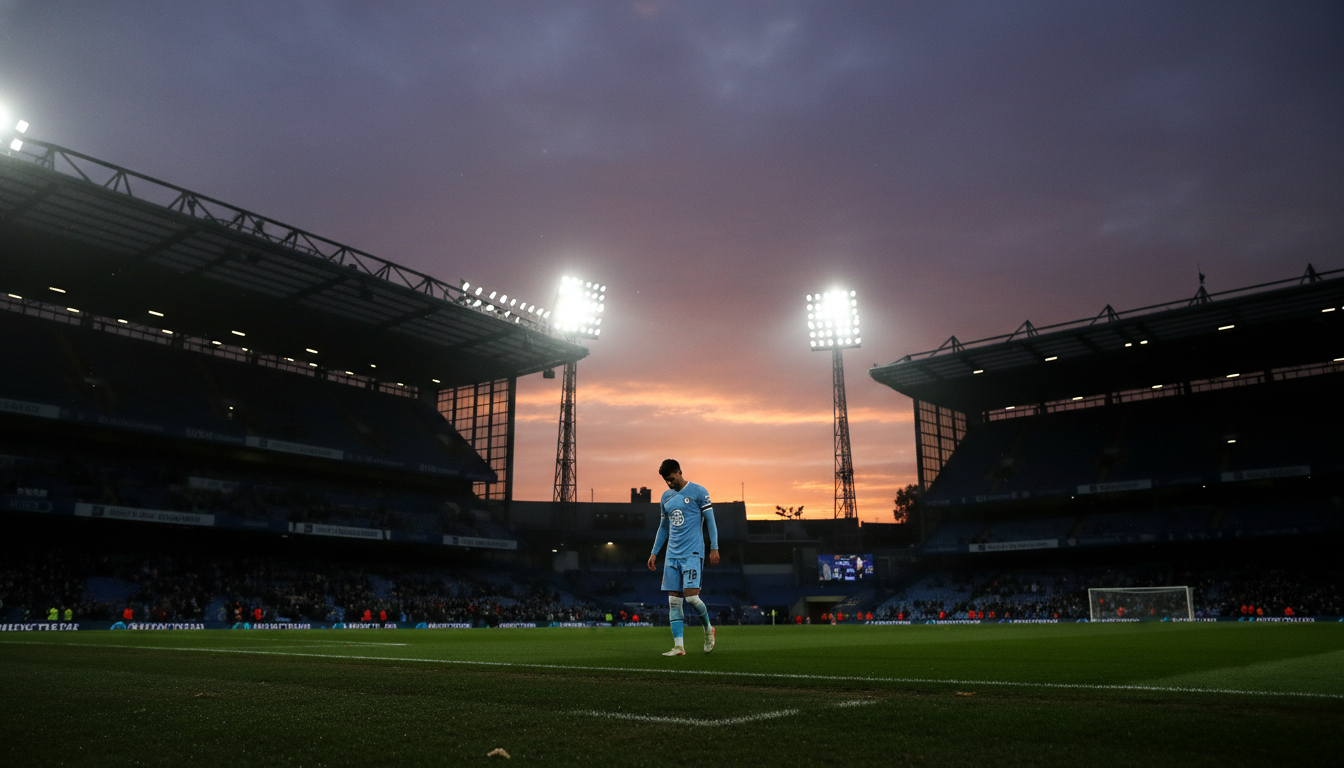
The murmurs began weeks ago, but the official confirmation on Friday, May 22, 2026, from Wembley Stadium has amplified the debate into a full-blown roar. Cole Palmer, the Chelsea forward who captivated Europe with a Player of the Tournament runner-up performance at Euro 2024, scoring a decisive goal against Spain in the final, has been omitted from Thomas Tuchel’s 26-man England squad for the FIFA World Cup in North America. This is not merely a surprising exclusion; it is arguably the most intensely debated selection call of the entire 2026 World Cup cycle, a decision that pits recent international glory against Tuchel’s unwavering tactical philosophy and a recent dip in domestic form.
Tuchel, known for his pragmatic and often ruthless approach to squad building, has made it clear that his selections are driven by a precise vision for how England will operate on the grandest stage. While Palmer’s Euro 2024 heroics are undeniable, his subsequent quiet stretch in Chelsea’s 2025-26 second half, marked by single-digit goal contributions in the crucial run-in, appears to have weighed heavily against him. This provides the manager with a quantifiable justification, albeit one that many pundits and fans will struggle to reconcile with his undeniable talent and proven ability to perform under pressure at the highest level.
The decision to exclude Palmer is not an isolated incident but rather part of a broader pattern of bold choices from Tuchel. Other significant names missing from the list include Phil Foden of Manchester City, Trent Alexander-Arnold of Real Madrid, and Manchester United’s Harry Maguire. These omissions underscore Tuchel’s commitment to his specific tactical blueprint, prioritizing players who he believes are best suited to execute a direct, vertical, and transition-heavy style of play. This system, as Tuchel has often articulated, does not depend on a slow possession-based number 10, a role Palmer often occupies, which further illuminates the rationale behind this contentious decision.
The Stark Contrast: Euro 2024 Brilliance vs. Domestic Dip
To fully grasp the magnitude of Palmer’s omission, one must first revisit his unforgettable Euro 2024 campaign. That tournament represented a coming-out party on the international stage, culminating in a performance that saw him recognized as the Player of the Tournament runner-up. His goal against Spain in the final was a moment of supreme composure and technical quality, cementing his status as a player capable of influencing the biggest games. The expectation, therefore, was that Palmer would be a foundational piece of England’s attacking setup for the World Cup, building on that momentum and confidence. His ability to create, link play, and deliver decisive moments seemed to make him an indispensable asset.
However, the narrative shifted dramatically in the latter half of Chelsea’s 2025-26 Premier League season. While the initial months of the campaign saw Palmer continue to demonstrate flashes of his Euro 2024 form, the second half brought a noticeable downturn. His goal contributions, a key metric for any attacking player, dwindled to single digits during the crucial run-in. This quiet stretch, whether due to fatigue, tactical shifts at his club, or simply a temporary dip in form, offered Tuchel a tangible, data-driven argument. The England manager, who did not coincide with Palmer at Chelsea (Tuchel left in September 2022), therefore lacks a direct working relationship or a deep, long-standing appreciation of Palmer’s daily training ground output, relying instead on his more recent competitive performances. This lack of personal history might have made it easier for Tuchel to make a decision based purely on current form and perceived system fit, rather than past glories or long-term potential.
The dilemma for Tuchel was clear: prioritize the exceptional, albeit somewhat dated, international tournament performance, or lean into the more recent, less impactful club form? For a manager whose reputation is built on pragmatism and a clear tactical identity, the latter appears to have been the prevailing factor. The risk, of course, is that Palmer finds his form again and the decision is retrospectively questioned, particularly if England struggles for creativity or decisive moments in the World Cup.
Tuchel’s Tactical Blueprint: System Over Stardom
Thomas Tuchel’s tactical philosophy is the bedrock upon which this England squad has been constructed, and it serves as the most significant explanation for Palmer’s exclusion. Tuchel’s preferred setup is unapologetically direct, vertical, and transition-heavy. This means a premium is placed on quick ball progression, exploiting spaces left by opponents, and rapid counter-attacks, often bypassing intricate build-up play in favor of speed and efficiency. The system thrives on players who can carry the ball forward, make incisive runs, press intensely, and finish chances with clinical precision.
Crucially, Tuchel’s tactical design “does not depend on a slow possession-based 10.” This specific phrase offers profound insight into why Palmer, whose game often revolves around receiving the ball between the lines, holding possession, and orchestrating attacks with intricate passing, might be deemed less suitable. While Palmer possesses immense technical skill and vision, his natural inclination is often to slow the tempo to dictate play, to find pockets of space from which to unleash his creativity. In a system built on rapid transitions, such a player, however talented, might be perceived as a potential bottleneck, slowing down the very rhythm Tuchel seeks to establish.
The emphasis is on dynamism and directness. Players who can quickly turn defense into attack, who are comfortable in open spaces, and who can contribute defensively with high-intensity pressing are likely to be favored. This strategic clarity, while perhaps rigid, offers a consistent framework for the team. Tuchel is evidently willing to sacrifice individual flair, even that of a recent international tournament standout, if he believes it compromises the collective efficiency and speed of his preferred tactical model. The success of this approach at the World Cup will be the ultimate validation or condemnation of such bold choices.
The Chosen Seven: Attacking Options Who Made the Cut
The attacking players who ultimately secured their places in Tuchel’s 26-man squad offer a clear illustration of the profiles he values within his direct, vertical system. Bukayo Saka, Harry Kane, Anthony Gordon, Eberechi Eze, Ollie Watkins, Ivan Toney, and Marcus Rashford represent a diverse yet cohesive group, each bringing specific attributes that align with the manager’s tactical vision. Their inclusion over Palmer speaks volumes about the qualities Tuchel prioritizes for the upcoming World Cup campaign.
Harry Kane, as captain and England’s all-time leading scorer, remains an undeniable focal point. His ability to drop deep and link play, combined with his unparalleled finishing, makes him an ideal spearhead for a direct system, capable of holding up the ball and bringing rapid wingers into play. Bukayo Saka offers blistering pace, intelligent movement off the right flank, and a consistent goal threat, making him a perfect fit for transition moments. His work rate also aligns with the defensive demands of Tuchel’s high-intensity approach.
Anthony Gordon and Eberechi Eze are two players whose dynamism and ability to carry the ball forward with pace and skill will be critical. Gordon’s directness, willingness to run in behind, and defensive contributions from wide areas make him a strong candidate for Tuchel’s wing roles. Eze, with his exceptional dribbling ability and capacity to break lines, provides a different kind of threat, capable of turning defense into attack with a single burst of acceleration. Both embody the verticality Tuchel craves.
Ollie Watkins and Ivan Toney offer alternative options at striker, providing different profiles for different match situations. Watkins brings relentless pressing, tremendous work rate, and a knack for making intelligent runs into the box, making him an excellent option for stretching defenses and contributing to a high-energy pressing game. Toney, meanwhile, offers a physical presence, aerial threat, and clinical finishing from inside the box, providing a more traditional target man option or a robust presence to battle defenders. His composure from the penalty spot is also a valuable asset. Marcus Rashford, with his explosive pace and ability to operate across the front line, provides another direct attacking threat, particularly effective in transition moments and against tired defenses. His ability to beat players one-on-one and create chances aligns with the emphasis on vertical progression.
When viewed collectively, these seven attackers demonstrate a clear preference for speed, directness, and versatility in attacking positions. They are players who can thrive in open spaces, execute quick counter-attacks, and contribute to a high-pressing defensive structure. While Palmer’s creativity is undeniable, the specific blend of attributes found in these selected forwards appears to better fit Tuchel’s non-negotiable tactical framework, especially one that does not rely on a “slow possession-based 10.”
Beyond Palmer: Other Notable Absences
Cole Palmer’s omission, while the most discussed, is not an isolated incident in Tuchel’s bold squad selection. The decision to leave out other high-profile players underscores a consistent and uncompromising approach from the England manager. Phil Foden, Manchester City’s prodigious talent, is another significant absence. Foden, like Palmer, often thrives in positions that involve intricate link-up play and possession-based attacking, which may not align perfectly with Tuchel’s direct, vertical philosophy. His exclusion indicates that even players of Foden’s proven Premier League quality must fit the tactical mold Tuchel has envisioned for international success. The manager is clearly prioritizing tactical cohesion and specific player profiles over reputation or general individual brilliance.
Trent Alexander-Arnold of Real Madrid also finds himself on the outside looking in. Alexander-Arnold’s exceptional passing range and creative output from a deeper position are well-documented, but his defensive acumen has, at times, been a subject of debate. In a system built on rapid transitions and potentially vulnerable defensive positions, Tuchel may have opted for full-backs or wider players with a more balanced profile or greater defensive solidity, or indeed, players whose primary role is not that of a deep-lying playmaker. This further illustrates Tuchel’s focus on defensive responsibility and the specific demands of his system across all positions.
Finally, the omission of Harry Maguire from Manchester United highlights Tuchel’s willingness to make tough calls even in the heart of defense. Maguire has been a stalwart for England in previous tournaments, but a combination of recent form and perhaps a perceived lack of mobility or speed in a high-line, transition-heavy defense might have contributed to his exclusion. Tuchel’s preference for Stones and a yet-to-be-named partner suggests a desire for ball-playing defenders who are comfortable defending high up the pitch and initiating quick attacks. These major omissions collectively paint a picture of a manager who is utterly committed to his strategic vision, unafraid to sideline established stars if he believes they do not perfectly align with the tactical demands of his World Cup campaign.
The Core of Tuchel’s England
With the squad announced and the major omissions made, the core of Thomas Tuchel’s England for the World Cup is now locked in, providing a clearer picture of the tactical framework he intends to deploy. Jordan Pickford retains his position in goal, offering a reliable presence and crucial distribution from the back. In central defense, John Stones is confirmed, and while his partner is yet to be definitively named for the first XI, the expectation is for a player who complements Stones’s ball-playing ability and defensive intelligence, capable of operating in a high defensive line and initiating swift attacks.
The midfield anchor will be formed by the formidable partnership of Declan Rice and Jude Bellingham. This duo provides a powerful combination of defensive solidity, ball-winning capability, and dynamic box-to-box presence. Rice offers robust protection for the defense, breaking up play and recycling possession quickly, while Bellingham brings incredible energy, progressive carrying, and goal threat from central areas. Their ability to cover ground and transition rapidly is perfectly suited to Tuchel’s vertical style, allowing England to quickly switch from defense to attack and overwhelm opponents in midfield.
In attack, the confirmed starters are Bukayo Saka, Harry Kane, Eberechi Eze, and Anthony Gordon. This quartet embodies the direct, vertical, and transition-heavy approach. Saka and Gordon on the flanks provide pace, dribbling, and a direct threat to the opposition’s goal, constantly looking to run in behind or cut inside. Harry Kane, as the central striker, offers a world-class finisher who can also drop deep to link play, creating space for the wide attackers to exploit. Eberechi Eze, likely operating in a more advanced central role that is not a traditional ‘number 10’ but rather a dynamic attacking midfielder, will be tasked with driving forward, breaking lines with his dribbling, and supporting Kane. This attacking combination is designed to be fluid, fast, and devastating on the break, prioritizing rapid progression over intricate, prolonged possession spells. The emphasis is on exploiting spaces and creating high-quality chances through swift, incisive movements, rather than patiently building through a slow possession-based orchestrator.
World Cup Prospects and the Road Ahead
England enters the 2026 FIFA World Cup with a squad that is undeniably talented, but also one that carries the weight of Tuchel’s controversial selections. Group L presents a challenging, though navigable, path with fixtures against Croatia, Ghana, and Panama. Croatia, with their experience and technical quality, will provide a stern test, while Ghana’s athleticism and directness could pose an unpredictable threat. Panama, while perhaps seen as the weakest opponent on paper, will demand professionalism and focus. Navigating this group will be the first major test for Tuchel’s chosen squad and his tactical philosophy.
The betting markets currently place England’s outright odds at +700, reflecting their status as one of the contenders, but also acknowledging the inherent uncertainties in any major international tournament. The pressure on Thomas Tuchel will be immense, not least because of the high-profile players he has chosen to omit. The narrative surrounding Cole Palmer, Phil Foden, and Trent Alexander-Arnold will persist throughout the tournament, with every England performance scrutinized through the lens of their absence. Should England flourish, Tuchel will be hailed as a visionary, his bold decisions vindicated. However, if the team struggles, particularly in moments requiring individual brilliance or creative spark, the questions about these omissions will intensify exponentially.
The manager’s conviction in his direct, vertical, and transition-heavy system is absolute, and he has assembled a squad he believes is perfectly equipped to execute it. The challenge now is for the players to translate that vision onto the pitch, silencing the critics and proving that a cohesive, tactically disciplined unit, even without some of its most celebrated individual talents, can conquer the world. The journey to the World Cup final on July 19, 2026, will be a compelling narrative, shaped by Tuchel’s choices and the performances of the players he has entrusted with England’s hopes.
The omission of Cole Palmer from Thomas Tuchel’s England World Cup squad marks a definitive moment in the team’s build-up, firmly establishing the manager’s tactical priorities above individual form, however illustrious. It is a calculated risk, trading the proven international flair of a Player of the Tournament runner-up for a perceived greater systemic fit, aligning with a direct, vertical, and transition-heavy approach that eschews a slow possession-based number 10. The debate will rage until England kicks off its campaign, but Tuchel has made his statement, and the success or failure of his uncompromising vision will ultimately determine the legacy of this most debated selection call.
Sources: Sky Sports — Tuchel leaves big names out, England Football — Squad named, ESPN — Meet England’s 2026 WC squad
Sources

Related news
France vs Senegal Preview: Mbappé’s First World Cup Match Lands at MetLife
France open their 2026 World Cup campaign against Senegal at MetLife Stadium on Tuesday 16 June.…
Five Days In: Where Matchday 1 Has Left the 2026 World Cup Favourites
Mexico routine, USA emphatic, Germany sensational. But Brazil were second-best for stretches against Morocco, Switzerland could…
Scotland 1-0 Haiti: Scotland’s First World Cup Win Since 1998
Scotland beat Haiti 1-0 at Gillette Stadium in Boston on Sunday 14 June for their first…