England’s 26 Lands Friday: Tuchel’s First World Cup Squad Reveal on 22 May
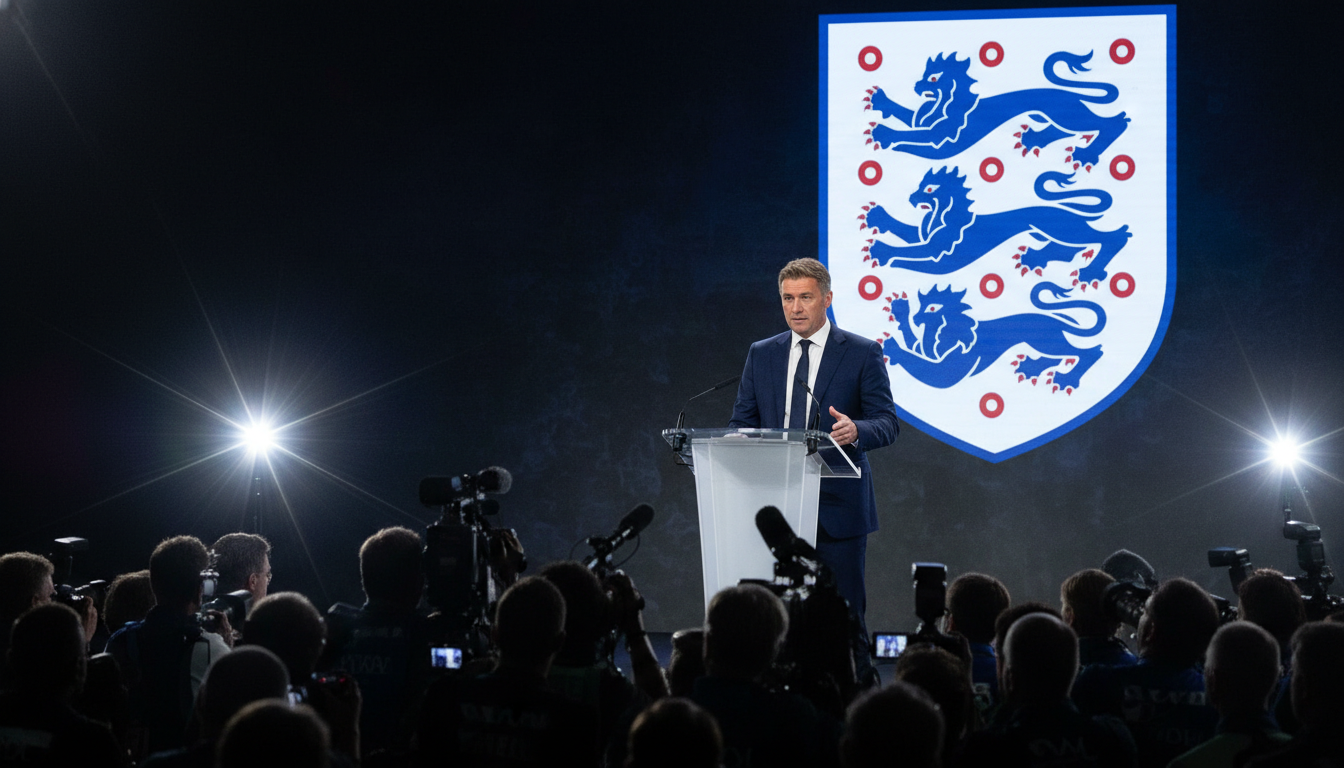
The footballing world, and particularly the fervent English support base, will fixate on Friday 22 May 2026, as Thomas Tuchel names his first England World Cup squad. This announcement marks a pivotal moment, not just for the players who will hear their names called, but for Tuchel himself, who took the reins from Gareth Southgate in November 2024. The provisional list, a broader assembly of 35 to 55 players, was submitted to FIFA on 11 May, a deadline that has now passed, allowing Tuchel and his staff to refine their selections. The final 26-man roster, however, represents the culmination of months of observation, tactical planning, and assessment of player performance and fitness. This reveal is arguably the most-watched English football moment since the 2024 European Championship final, where England ultimately fell short against Spain. With the FIFA World Cup 2026 set to kick off on 11 June across the United States, Canada, and Mexico, the stakes for Tuchel’s inaugural tournament squad are exceptionally high. England arrives at this tournament as the third favourite on the outright market, priced at +700, indicating significant expectation despite a quarter-final exit in Qatar 2022 against France. The core of the squad appears settled, yet several marginal calls in midfield and attack continue to generate considerable debate and analytical scrutiny, shaping the tactical profile Tuchel intends to deploy on the global stage.
Tuchel’s Mandate and the Established Core
Thomas Tuchel’s appointment in November 2024 signaled a strategic shift for the England national team. Following Gareth Southgate’s tenure, which included a memorable run to the Euro 2024 final and the Qatar 2022 quarter-finals, Tuchel was tasked with building upon that foundation while injecting his distinct tactical philosophy. This World Cup squad, his first, will be the clearest manifestation of his vision for the Three Lions. Fortunately for Tuchel, a significant portion of the starting XI effectively picks itself, providing a stable foundation upon which to construct the remainder of the squad. Jordan Pickford, whose consistent performances have solidified his position as England’s number one, is locked in as the starting goalkeeper. His experience and shot-stopping ability remain crucial. In central defence, John Stones is an undisputed starter, providing composure, passing range, and tactical intelligence from the back. The identity of his central defensive partner is a key decision for Tuchel, but Stones’ presence is a certainty.
The midfield pivot is equally settled, featuring the dynamic duo of Declan Rice and Jude Bellingham. Rice, an elite defensive midfielder, offers crucial protection to the backline, excellent ball recovery, and increasingly, progressive passing. Bellingham, meanwhile, is a generational talent whose box-to-box energy, technical skill, and goal threat make him indispensable. Their partnership forms the engine room of Tuchel’s England, dictating tempo and transitions. Further up the pitch, the attacking triumvirate of Bukayo Saka, Harry Kane, and Phil Foden provides a potent blend of pace, creativity, and clinical finishing. Saka’s directness and goal contributions from the wide areas, Foden’s intricate playmaking and ability to operate in tight spaces, and Kane’s unparalleled goal-scoring prowess and link-up play establish a formidable attacking unit. Harry Kane himself is listed as the second favourite for the Golden Boot, priced at +700, behind only Kylian Mbappé, underscoring his individual importance to England’s aspirations. These seven players form the spine of Tuchel’s team, offering both stability and world-class talent, allowing the manager to focus his more intricate decisions on the supporting cast and tactical variations.
The Midfield Conundrums: Depth and Balance
While Rice and Bellingham are foundational, the depth and balance of England’s midfield beyond these two present Tuchel with some of his most significant selection challenges. The modern game demands versatility, tactical flexibility, and energy from the central areas, especially in a demanding tournament format. Tuchel will need options that can provide cover, offer different profiles for various match scenarios, and maintain the intensity required over seven potential games. Players who can operate as a deeper pivot, an advanced eight, or even contribute to wider areas will be highly valued. The need for creativity from deep, defensive solidity, and press resistance are all factors that will weigh heavily on the manager’s mind.
The Premier League 2025-26 season, which concluded on 24 May, just two days after the squad announcement, provided the final audition stage for many hopefuls. Players who maintained peak physical condition and delivered consistent performances in the season’s closing weeks will undoubtedly have strengthened their cases. Tuchel’s system often prioritizes control and tactical discipline, suggesting he will favour midfielders who are not only technically proficient but also understand their defensive responsibilities and positional play. The balance between experienced campaigners and emerging talents will also be a consideration. A blend of wisdom and youthful exuberance can be crucial in navigating the pressures of a World Cup. The tactical demands of potential opponents in Group L – Croatia, Ghana, and Panama – will also influence the type of midfielders Tuchel believes are best suited to dominate possession against Panama, counter the physicality of Ghana, and match the technical prowess of Croatia. The squad will need players capable of adapting to these varied challenges, making the marginal midfield calls among the most intriguing aspects of the upcoming announcement.
Attacking Options: Beyond the Established Front Three
With Saka, Kane, and Foden providing a world-class attacking core, Tuchel’s task is to identify the players who can offer both quality depth and alternative tactical solutions. A 26-man squad allows for greater flexibility, but every spot must count, especially in the attacking third where fresh legs and different profiles can change the complexion of a game. Tuchel will be seeking players who can provide pace from the bench, unlock stubborn defences, or offer a different kind of threat when the primary attackers need a rest or a tactical adjustment is required. The ability to play across multiple positions in the front line will be a significant advantage for any player vying for a spot.
The physical demands of a World Cup, especially with games potentially extending into extra time, mean that robust and resilient attacking options are essential. Tuchel will need players who can maintain high levels of performance even under fatigue, and who possess the mental fortitude to make an impact when called upon. The Premier League season’s conclusion on 24 May offered a final opportunity for players to demonstrate their readiness. For those involved in the Champions League final on 30 May at Puskás Aréna, Budapest, between PSG and Arsenal, their form right up to the final whistle of that prestigious match could leave a lasting impression, though the timing is tight. The blend of direct runners, creative passers, and clinical finishers among the reserves will be critical. Tuchel’s choices here will reflect his strategic approach to in-game management and his belief in the various ways England can break down opponents and secure crucial goals throughout the tournament. The marginal calls in this area are not just about individual quality, but about how each player complements the existing structure and offers a distinct tactical tool for the manager.
Defensive Reinforcements and Goalkeeping Depth
While John Stones is a certainty in central defence, the identity of his partner and the overall defensive depth are crucial considerations for Tuchel. The World Cup demands a robust and adaptable backline capable of withstanding various attacking threats. Tuchel will need a central defender who complements Stones’ attributes, perhaps offering more physicality, aerial dominance, or a different profile in distribution. Beyond the starting pair, reliable cover is paramount. Injuries or suspensions can quickly deplete options, so having capable replacements who can step in seamlessly is non-negotiable. The full-back positions also require careful thought. Modern full-backs are expected to contribute significantly in both attack and defence, providing width, overlapping runs, and defensive solidity. Tuchel will be looking for players who can execute his tactical instructions rigorously, whether that involves holding a defensive line or pushing high up the pitch to support attacks.
The goalkeeping department, though anchored by Pickford, requires two additional high-quality options. While they may not see game time, their presence is vital for squad morale, training quality, and as emergency cover. The Premier League season’s end on 24 May allowed Tuchel to assess the form and readiness of potential candidates for these crucial backup roles. The Champions League final on 30 May, featuring Arsenal players, could also influence selections, particularly if a player like Ben White, who can play both centre-back and right-back, is involved and performs well. White, along with Bukayo Saka, Declan Rice, and Myles Lewis-Skelly, represents the Arsenal contingent eligible for England, highlighting the club’s contribution to the national team’s talent pool. Tuchel’s defensive selections will underscore his philosophy on controlling games, building from the back, and ensuring tactical resilience against the diverse opposition England will face, from the technical prowess of Croatia to the athletic challenge posed by Ghana. The final FIFA submission deadline of 30 May / 1 June provides a small window for any last-minute adjustments, but the initial squad named on 22 May will largely set the tone.
The Road Ahead: Group L and Tournament Aspirations
England’s path in the 2026 FIFA World Cup begins in Group L, where they are set to face Croatia, Ghana, and Panama. This draw presents a varied challenge for Thomas Tuchel’s side. Croatia, known for their technical quality and tournament experience, will provide a stern test, likely demanding tactical discipline and control in midfield. Ghana will offer a physical and athletic challenge, requiring England to match their intensity and manage transitions effectively. Panama, while perhaps considered the underdog in the group, will undoubtedly be organized and determined, requiring a professional and focused performance to secure maximum points. Navigating this group successfully will be crucial for building momentum and confidence for the knockout stages.
Before the tournament officially commences on 11 June, England has two vital warm-up friendlies scheduled. They will face New Zealand on 6 June in Tampa Bay, followed by a match against Costa Rica on 10 June in Orlando. These fixtures will serve as critical opportunities for Tuchel to fine-tune his tactical systems, assess player combinations, and ensure the squad is fully acclimatized and match-fit. With the Premier League season having concluded on 24 May, and the Champions League final on 30 May, these friendlies provide the final competitive touches before the tournament proper. England’s outright odds of +700 place them as the third favourite, reflecting the quality within the squad and the expectation that Tuchel can guide them deep into the tournament. However, past experiences, including the quarter-final exit in Qatar 2022 and the Euro 2024 final loss, underscore the fine margins at this elite level. Harry Kane’s status as the second favourite for the Golden Boot at +700 further highlights the individual brilliance within the team, which, if harnessed effectively by Tuchel, could be a significant factor in England’s quest for World Cup glory. The squad selection on 22 May is the first major step on this ambitious journey.
As the final whistle blew on the 2025-26 Premier League season on 24 May, and with the Champions League final looming on 30 May, Thomas Tuchel’s task of selecting his 26-man England squad has reached its apex. The meticulous analysis of form, fitness, and tactical suitability will culminate on Friday 22 May, when the names that will represent the nation on football’s grandest stage are revealed. This squad will carry the hopes of a nation, eager to see if Tuchel can build upon the recent tournament successes and push England further than ever before. The blend of established stars and carefully chosen marginal players will dictate the tactical flexibility and resilience of the Three Lions in the USA, Canada, and Mexico. The anticipation is palpable, and the decisions made this week will resonate throughout the summer.
Sources: Sky Sports — World Cup 2026 squad lists, ESPN — 2026 WC squad lists, players announced, Sports Illustrated — 2026 WC rosters, full list, GiveMeSport — World Cup 2026 squads
Sources

Related news
Mexico 2-0 South Africa: Quiñones, Jiménez and Three Red Cards in a Historic Opener
Mexico beat South Africa 2-0 at Estadio Azteca on Thursday 11 June to open the 2026…
17 Days Out: The 2026 World Cup Squad Announcement Week Is Complete
Brazil, Switzerland, Germany, England and Spain have all submitted their final 26. Argentina's cut lands 2…
Manuel Neuer’s Comeback at 40: Inside Germany’s Most Talked-About Goalkeeper Decision
Manuel Neuer has come out of international retirement to be Germany's No. 1 at the 2026…