FIFA Confirms All 16 Global Sponsor Slots Filled — A 2026 World Cup First
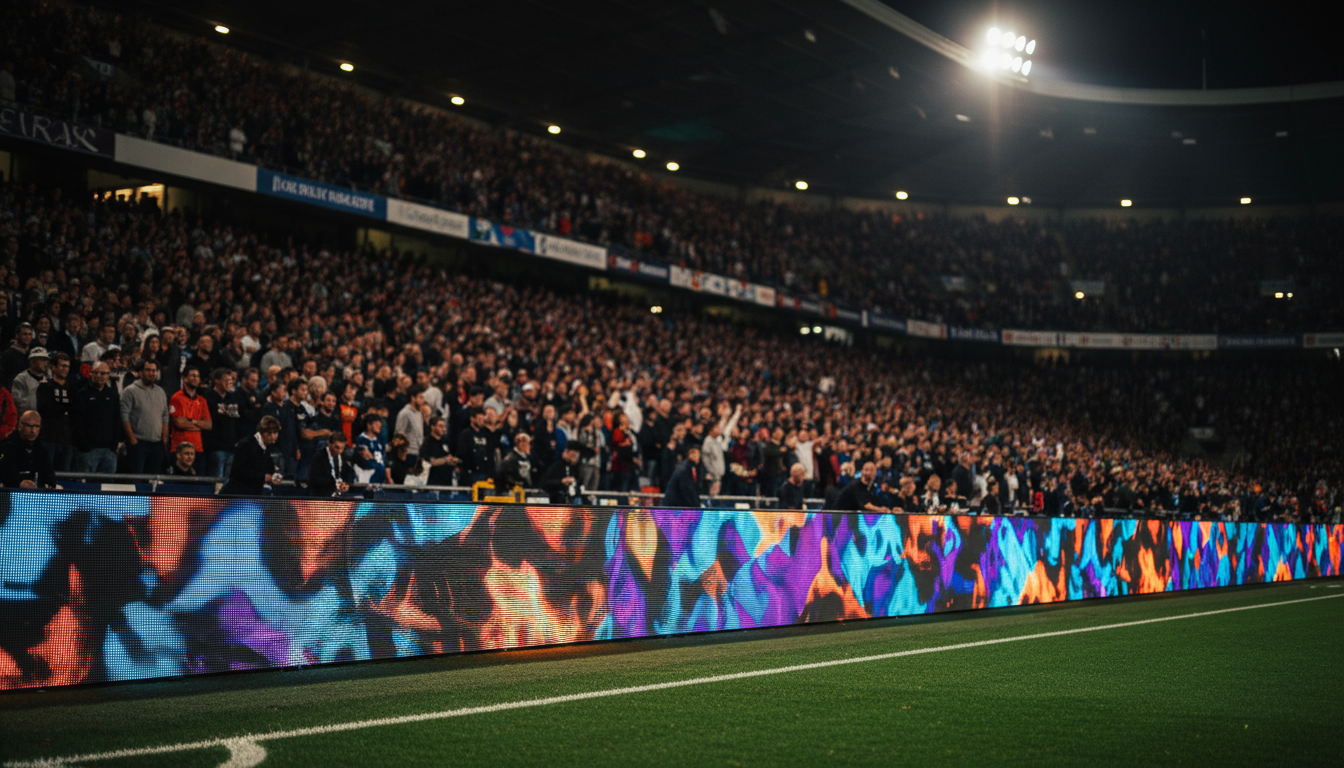
The commercial landscape of global sports has been irrevocably altered, and the 2026 FIFA World Cup, still over a month away from its opening match, stands as the definitive testament to this paradigm shift. FIFA has officially confirmed that all 16 of its global sponsorship positions for the highly anticipated tournament are now filled, marking an unprecedented achievement in the history of the World Cup. This pre-tournament sell-out is not merely a statistical anomaly; it represents a profound validation of the event’s unparalleled global appeal and FIFA’s strategic commercial foresight. The financial implications are equally staggering, with the 2026 World Cup having already generated more sponsorship funding than any standalone sporting event ever staged, even before a single ball is kicked on 11 June.
The confirmation of this commercial milestone came from FIFA Chief Business Officer Romy Gai at The Business of Soccer Conference in Atlanta on 27 March 2026. His announcement underscored the robust market demand for association with the world’s most popular sporting spectacle, particularly given the expanded format and unique tri-national hosting arrangement. This early and complete commercialization provides FIFA with a powerful financial foundation, ensuring maximum resources are available for the operational delivery of an event that promises to be the largest and most ambitious in World Cup history.
The significance of reaching full sponsorship capacity well in advance of the opening ceremony cannot be overstated. It reflects not only the enduring power of the FIFA World Cup brand but also the strategic efficacy of FIFA’s commercial team, which had set an ambitious internal target of securing all 16 global sponsors by the end of Q1 2026. The successful achievement of this target speaks volumes about the meticulous planning, aggressive marketing, and compelling value proposition presented to potential partners. In a competitive global sponsorship market, this level of early commitment from a diverse portfolio of international brands provides a clear indicator of the perceived return on investment that these corporations anticipate from their association with the tournament.
A New Commercial Benchmark for Global Sports
The declaration that the 2026 World Cup has already surpassed all previous standalone sporting events in terms of pre-kickoff sponsorship funding establishes a new benchmark for commercial success in the sports industry. This record-breaking revenue stream is a direct reflection of the tournament’s expanded scale and projected reach. The sheer magnitude of the event, encompassing 16 host stadiums spread across the United States, Canada, and Mexico, offers sponsors an unparalleled platform for brand visibility and consumer engagement across three distinct yet interconnected markets.
The financial commitment from these 16 global partners is a powerful endorsement of the World Cup’s economic viability and its capacity to deliver substantial brand exposure and market penetration. For FIFA, this early influx of capital provides significant operational flexibility and strengthens its financial reserves. It also signals to the broader sports and entertainment industry that the World Cup remains the pinnacle of global sporting events, capable of attracting and retaining top-tier commercial partners willing to invest substantial resources for association with its prestigious brand. This robust financial backing ensures that the operational aspects of the tournament, from infrastructure to fan experience, can be executed with maximum efficiency and innovation.
The depth of this commercial success is further illuminated by the timing. Securing such extensive funding before the tournament even begins mitigates financial risk and allows for a more focused allocation of resources towards event delivery and legacy initiatives. It demonstrates a proactive and highly effective commercial strategy by FIFA, one that has clearly resonated with corporate entities seeking to align with events that offer guaranteed global attention and widespread cultural impact. The record-breaking figures underscore the unique position of the World Cup in the global media landscape, an event capable of transcending national borders and captivating audiences on an unprecedented scale.
The Strategic Expansion and Its Returns
A critical factor underpinning this commercial triumph is the dramatic expansion of the 2026 FIFA World Cup format. With 104 matches scheduled, a substantial increase from the 64 matches played in the 2022 Qatar tournament, the event offers an extended period of engagement and significantly more opportunities for sponsor exposure. This expanded schedule translates directly into more broadcast hours, more media coverage, and a greater number of fan touchpoints, all of which enhance the value proposition for global sponsors. The tournament will run for 39 days, from 11 June to 19 July 2026, providing a sustained period for brands to activate their partnerships and connect with a vast, diverse global audience.
The decision to expand the tournament to 104 matches across 16 venues in three nations was a bold strategic move by FIFA, and its commercial success validates this vision. More matches mean a longer tournament window, allowing for prolonged brand visibility through stadium signage, broadcast integrations, and digital platforms. The increased number of games also provides a greater inventory of advertising slots and promotional opportunities, which are highly attractive to sponsors looking to maximize their reach and impact. This strategic foresight in tournament structuring has demonstrably paid off, attracting a full roster of top-tier global partners eager to capitalize on the amplified exposure.
The logistics of staging an event across three nations and 16 cities are immense, but this geographic spread also presents a unique advantage for sponsors. It allows for targeted activations in diverse markets while maintaining a cohesive global brand presence. The ability to engage with fans in the United States, Canada, and Mexico through local initiatives, alongside global campaigns, offers a multi-layered approach to sponsorship activation that is highly appealing to international corporations. This expanded footprint contributes significantly to the overall commercial value of the tournament, making it an indispensable platform for brands seeking to connect with a truly global audience.
Sponsor Confidence and Market Validation
The recent announcement of Verizon as the Official Telecommunication Services Sponsor on 16 April 2026 provides a tangible example of the ongoing commercial momentum and the market’s positive reception to associating with the 2026 World Cup. This specific partnership, confirmed just weeks before the tournament’s opening, underscores the sustained demand for sponsorship slots and the strategic value perceived by major global corporations.
The market’s immediate reaction to the Verizon announcement further highlights the perceived value of such a partnership. On 16 April, the day of the sponsorship confirmation, Verizon’s stock experienced a 3.89% gain. This direct correlation between the sponsorship announcement and a positive movement in the sponsor’s stock price serves as a potent indicator of investor confidence in the deal’s potential to enhance brand equity, market position, and ultimately, shareholder value. It suggests that the financial markets view these high-profile sports sponsorships not merely as marketing expenses, but as strategic investments capable of delivering measurable returns.
Beyond the financial metrics, Verizon has already begun to activate its partnership, launching ticket promotions for its customers and small businesses. This proactive engagement demonstrates how sponsors intend to leverage their association with the World Cup to drive customer loyalty, attract new clientele, and generate tangible business outcomes. Such initiatives provide direct benefits to consumers, further enhancing the tournament experience and reinforcing the positive brand association. This type of activation is indicative of the sophisticated strategies that all 16 global sponsors are likely to employ, maximizing their investment through integrated marketing campaigns designed to resonate with the vast global fanbase.
Hitting Ambitious Targets with Precision
The achievement of securing all 16 global sponsorship positions by Q1 2026 was not a fortuitous outcome but the result of a deliberate and successful commercial strategy. FIFA’s commercial team had explicitly targeted this timeline, demonstrating a clear understanding of the market and an effective execution plan. Meeting such an ambitious internal deadline speaks to the professionalism and efficacy of FIFA’s commercial operations, showcasing their ability to navigate complex negotiations and secure agreements with leading global brands well in advance of the event.
This strategic success reflects FIFA’s robust commercial model and its capacity to articulate a compelling value proposition to potential partners. The early sell-out provides all stakeholders with certainty and stability, allowing for more comprehensive planning and activation strategies from both FIFA and its sponsors. It also minimizes the pressure of last-minute sales, enabling the commercial team to focus on partnership management and maximizing the value delivered to each sponsor. The precision with which this target was met underscores FIFA’s position as a sophisticated commercial entity, adept at leveraging the global appeal of its flagship tournament.
The consistent delivery on commercial objectives, such as this sponsorship target, reinforces FIFA’s credibility in the global sports business arena. It assures future partners and stakeholders that the organization is capable of executing its commercial strategies effectively, thereby fostering greater trust and confidence. This early success also sets a high bar for future major sporting events, demonstrating that with the right strategy and execution, complete commercialization can be achieved long before the event’s commencement, transforming the financial landscape of global sports.
The Fan Engagement Dividend
The commercial success of the 2026 FIFA World Cup is inextricably linked to its unparalleled appeal to fans. The confirmation of over 5 million tickets sold to date is a powerful indicator of the immense public interest and demand for the tournament. This robust fan engagement directly translates into a more valuable proposition for sponsors, as it guarantees a massive, passionate, and highly engaged audience for their brands, both in stadiums and through global media consumption.
A higher number of tickets sold signifies not only packed stadiums but also a wider global audience tuning in via broadcast and digital platforms. Each fan in attendance, and every viewer globally, represents a potential touchpoint for sponsors. The energy and atmosphere generated by millions of passionate supporters amplify the impact of sponsorship activations, making brand messages more memorable and resonant. This direct connection between fan enthusiasm and commercial value is a cornerstone of the World Cup’s enduring appeal to corporate partners.
The tri-national hosting arrangement further diversifies the fan base, drawing supporters from across North America and around the world. This broad demographic reach offers sponsors an opportunity to connect with a truly global cross-section of consumers, tailoring their messaging to different cultural contexts while maintaining a consistent brand identity. The strong ticket sales figures, combined with the expanded format, paint a clear picture of a tournament poised to deliver unprecedented levels of fan engagement, thereby maximizing the return on investment for all 16 global sponsors.
Looking Ahead: A Benchmark Tournament
The 2026 FIFA World Cup is poised to be a landmark event, not only for its expanded format and tri-national hosting but also for its unprecedented commercial success. With all 16 global sponsorship slots filled and a record amount of funding secured before a single match has been played, the tournament has redefined the benchmarks for commercialization in global sports. This achievement, confirmed by FIFA’s leadership and validated by market reactions such as Verizon’s stock gain, underscores the enduring and growing power of the World Cup brand.
The combination of meticulous strategic planning, an expanded and highly attractive tournament format, and a robust global fan base has culminated in a commercial triumph that will likely serve as a case study for future major sporting events. As the world counts down to the opening match on 11 June, the 2026 World Cup has already cemented its place in history as a financial juggernaut, demonstrating the immense value that top-tier global sports properties can command in the modern commercial landscape.
Sources: FIFA — Commercial partnerships, Original Football — World Cup 2026 Sponsors, Stock Titan — Verizon FIFA Sponsorship, Brand Innovators — FIFA World Cup Ad Tracker 2026
Sources

Related news
Mexico 2-0 South Africa: Quiñones, Jiménez and Three Red Cards in a Historic Opener
Mexico beat South Africa 2-0 at Estadio Azteca on Thursday 11 June to open the 2026…
17 Days Out: The 2026 World Cup Squad Announcement Week Is Complete
Brazil, Switzerland, Germany, England and Spain have all submitted their final 26. Argentina's cut lands 2…
Manuel Neuer’s Comeback at 40: Inside Germany’s Most Talked-About Goalkeeper Decision
Manuel Neuer has come out of international retirement to be Germany's No. 1 at the 2026…