Provisional Squad Day: Inside the 11 May FIFA Submission Window
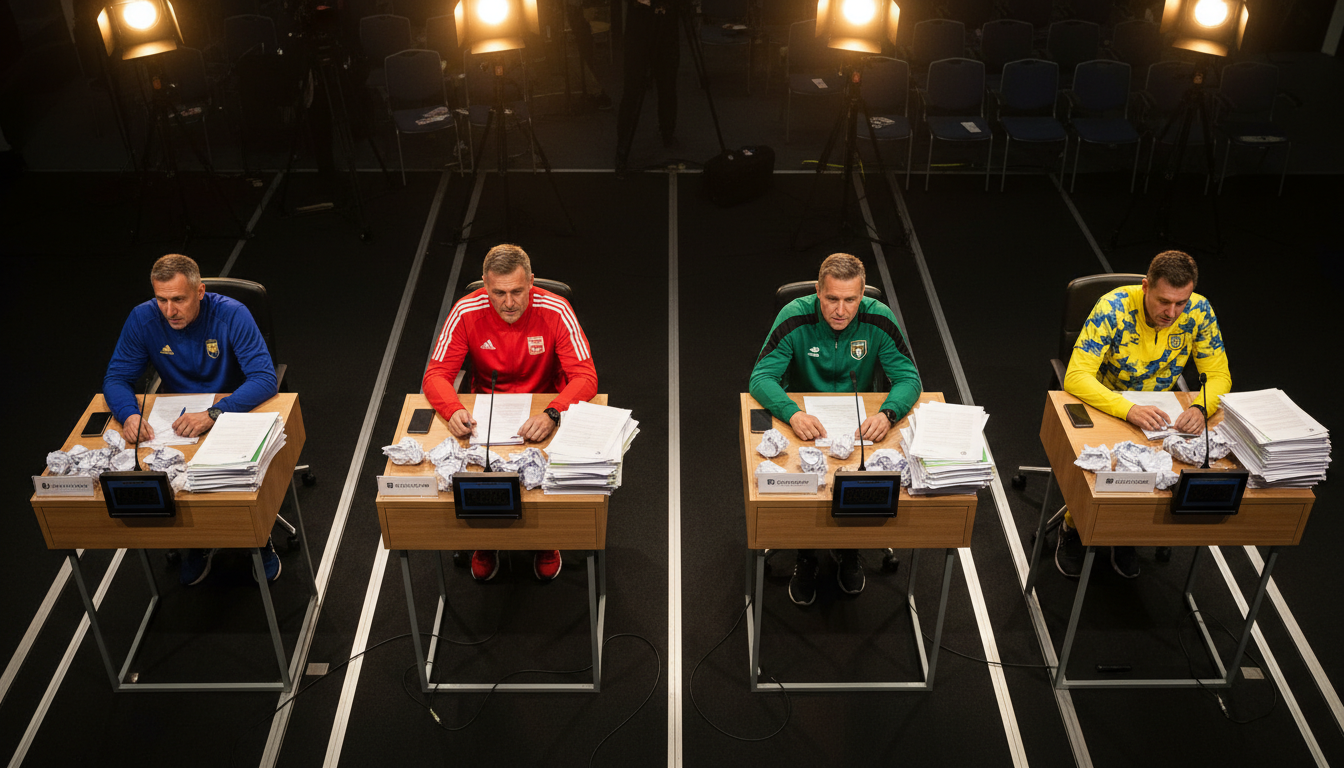
The FIFA-mandated provisional squad deadline of 11 May has passed, marking a significant milestone in the lead-up to the 2026 FIFA World Cup. This initial submission window, a critical phase for national federations and coaching staffs, saw every contender file their preliminary lists. Argentina officially announced a robust 55-man preliminary squad, notably including Lionel Messi, while Brazil submitted their list to FIFA, confirming Neymar Jr.’s presence in Carlo Ancelotti’s first major tournament selection. Spain also filed their submission, featuring a blend of established talent and emerging stars like Yamal, Pedri, and Rodri. These provisional lists, ranging from 35 to 55 players and mandating a minimum of four goalkeepers, serve as an internal document for FIFA, providing a crucial pool from which the final 23-26 player rosters will be drawn. The strategic implications of these submissions are extensive, shaping expectations, managing player fitness, and providing a safeguard against unforeseen circumstances as the tournament approaches. The period between this provisional deadline and the final squad announcement is a high-stakes waiting game for players and a period of intense tactical refinement for coaches, all under the looming shadow of the World Cup, which is scheduled to run from 11 June to 19 July 2026 across the United States, Canada, and Mexico.
The Provisional Squad: A Strategic Necessity
The 11 May deadline for provisional squad submissions is more than a mere administrative formality; it is a foundational element of FIFA’s tournament planning and a vital strategic tool for participating nations. Each national team is required to submit a list containing between 35 and 55 players, a generous window designed to provide coaches with substantial flexibility. A non-negotiable component of this list is the inclusion of at least four goalkeepers, acknowledging the specialized nature of the position and the potential for injury. Crucially, these provisional lists are for internal FIFA use only and are not officially published. This confidentiality allows federations to cast a wide net without immediately creating public pressure or speculation around specific player inclusions or omissions, thereby preserving a degree of tactical discretion.
The strategic value of this broad preliminary selection cannot be overstated. By listing a larger pool of players, coaches maintain options for unforeseen circumstances that may arise in the weeks leading up to the final squad announcement. This includes monitoring player form, assessing recovery from minor injuries, and evaluating potential tactical shifts based on training camp performances. The 35-55 player range offers significant latitude; a coach opting for a list closer to 55 might be signaling a deeper talent pool, a more open competition for spots, or a cautious approach to player fitness across a larger group. Conversely, a list closer to 35 could indicate a more settled core group with fewer undecided positions. Regardless of the exact number chosen within the stipulated range, the provisional list acts as a critical safety net, ensuring that any final roster changes due to injury can only be made from this pre-approved pool, up to 24 hours before a team’s first match.
Early Movers: Argentina, Brazil, and Spain Set the Tone
The passing of the 11 May deadline saw several of football’s traditional powerhouses confirm their initial selections, offering early insights into their World Cup preparations. Argentina, a nation with immense expectations, officially announced a 55-man preliminary squad. The inclusion of Lionel Messi was a foregone conclusion, underscoring his continued centrality to the team’s ambitions. A 55-player list from Argentina suggests a comprehensive evaluation of talent across various positions, indicating a desire to maintain a broad range of options and to monitor a significant number of players in the final weeks before the tournament. This extensive selection allows the coaching staff to assess fringe players and potential breakout candidates alongside established stars, ensuring that no stone is left unturned in their pursuit of a competitive squad.
Brazil, under the guidance of Carlo Ancelotti, also submitted their list to FIFA on 11 May. A key takeaway from their submission was the inclusion of Neymar Jr., signaling his importance to Ancelotti’s tactical plans for the World Cup. For a nation that consistently boasts a deep talent pool, the provisional list is an exercise in managing expectations and providing a framework for final selections. Ancelotti’s choices will be scrutinized, particularly as he navigates the transition period and seeks to integrate his philosophy into the squad. The inclusion of Neymar, despite recent fitness concerns or club form debates that might arise in the media, reaffirms his status as a pivotal figure for the Seleção. Spain, another contender, also filed their provisional squad on the deadline day. Their list notably included a blend of experience and youth, with Yamal, Pedri, and Rodri all making the cut. This combination highlights a strategic approach to squad building, integrating emerging talents who could provide dynamism with seasoned professionals who offer stability and tactical acumen. The early submissions by these prominent nations set a competitive benchmark and initiate the final phase of squad selection for the entire field.
The Countdown to the Final 26
While the provisional squad offers a glimpse into the pool of talent available to each nation, the real challenge for coaches lies in narrowing this expansive list down to the final 23 to 26 players. FIFA regulations stipulate that the final roster must consist of at least 23 players and no more than 26, with a minimum of three goalkeepers. This transition from a provisional list of up to 55 players to a maximum of 26 represents a significant cut, often involving difficult decisions regarding player form, fitness, tactical fit, and team chemistry. The final FIFA submission deadline for these definitive squads is 1 June, after which FIFA will officially publish all 48 squad lists on 2 June. This period between the provisional deadline and the final submission is arguably the most intense for players vying for a spot, as well as for coaching staffs who must finalize their selections.
The process of reducing the squad involves intricate evaluations. Coaches will be observing players in their club competitions, monitoring training performances, and assessing their mental and physical readiness for the rigors of a major international tournament. The decisions made during this period can have profound impacts on a player’s career and a nation’s World Cup prospects. The final roster size, whether a coach opts for 23, 24, 25, or the maximum 26, can also reflect strategic choices. A smaller squad might suggest a focus on a tighter, more cohesive unit, while a larger one could offer more tactical versatility and depth for managing injuries or fatigue over the course of the tournament. The pressure to make these cuts, balancing individual talent with collective harmony, is immense, and the choices will be debated extensively once the final lists are made public.
Key Dates for Final Roster Reveals
While the 1 June deadline marks the final submission to FIFA, many nations opt to announce their final squads to the public earlier, managing media narratives and player expectations. The timing of these announcements can vary significantly, reflecting different communication strategies and internal processes. France, for instance, is among the earliest to commit, with their final 26-man squad set to be announced on 13 May, though some reports suggest 14 May. This early announcement could allow their squad to coalesce sooner, fostering team cohesion and minimizing prolonged uncertainty for players. It also provides a clear focus for their pre-tournament preparations.
Brazil has scheduled a high-profile announcement for their final 26-man squad on 18 May. The event will take place at Rio de Janeiro’s Museum of Tomorrow at 17:00 local time, underscoring the cultural significance of the World Cup in Brazil and the national attention such an announcement commands. Germany will follow suit, with their final squad reveal slated for 21 May. As a host nation, the USMNT’s announcement carries particular weight, and their final squad will be unveiled on 26 May. This staggered approach to announcements across the footballing world means that the period from mid-May to early June will be punctuated by a series of high-profile disclosures, each generating extensive analysis and discussion. For players, these dates represent the culmination of years of effort and the realization of a dream, or the disappointment of missing out on the biggest stage in football.
Injury Contingencies and Tactical Flexibility
One of the most critical aspects of the provisional squad system is its role in managing injuries and providing tactical flexibility right up to the start of the tournament. FIFA regulations permit injury replacements from the provisional list up to 24 hours before a team’s first match. This rule is a lifeline for coaches, allowing them to adapt to the unpredictable nature of elite-level football. The period between the provisional submission and the World Cup kick-off is fraught with risk, as players continue to participate in demanding club competitions or intense national team training camps. A last-minute injury to a key player, while devastating, does not automatically derail a team’s preparations, provided a suitable replacement was included in the original provisional list.
This contingency planning directly influences the size and composition of the provisional list. Coaches are incentivized to include a diverse range of players, not just those who are certainties for the final 26, but also those who could serve as competent backups or specialists in specific scenarios. For example, if a team’s primary striker suffers an injury, the coach can select another forward from the provisional list, ensuring continuity in tactical approach. This mechanism mitigates the risk of being forced to call up a player who has not been part of the preparatory discussions or who lacks recent international experience. Beyond injuries, the provisional list also offers a degree of tactical flexibility. Should a coach identify a specific need or a change in opponent strategy in the final weeks, having a wider pool of players available allows for a more tailored response, even if the final 26-man roster is already submitted. The ability to make these adjustments, even at the eleventh hour, underscores the strategic importance of the provisional squad as a risk management and adaptation tool.
As the countdown to the 2026 FIFA World Cup intensifies, the passing of the 11 May provisional squad deadline marks a definitive shift from theoretical planning to concrete selection. The initial submissions from nations like Argentina, Brazil, and Spain have laid the groundwork for the final rosters, offering glimpses into the strategic considerations of their respective coaching staffs. The coming weeks will be characterized by a series of high-stakes final squad announcements, culminating in FIFA’s official publication on 2 June. For players, this period is a crucible of anticipation and performance, while for coaches, it represents the ultimate test of their foresight and decision-making under pressure. The flexibility afforded by the provisional list, particularly for injury replacements, ensures that teams can adapt to unforeseen challenges, maintaining the integrity and competitiveness of the tournament. All eyes now turn to the final selections, which will ultimately define the contenders and narratives of the upcoming World Cup across North America.
Sources: Al Jazeera — World Cup 2026 squad deadlines, Wikipedia — 2026 FIFA World Cup squads, CBS Sports — 2026 squad announcement deadlines
Sources

Related news
Mexico 2-0 South Africa: Quiñones, Jiménez and Three Red Cards in a Historic Opener
Mexico beat South Africa 2-0 at Estadio Azteca on Thursday 11 June to open the 2026…
17 Days Out: The 2026 World Cup Squad Announcement Week Is Complete
Brazil, Switzerland, Germany, England and Spain have all submitted their final 26. Argentina's cut lands 2…
Manuel Neuer’s Comeback at 40: Inside Germany’s Most Talked-About Goalkeeper Decision
Manuel Neuer has come out of international retirement to be Germany's No. 1 at the 2026…