PSG and the Real Madrid Comparison: Can Paris Become Only the Second Club to Defend the Champions League?
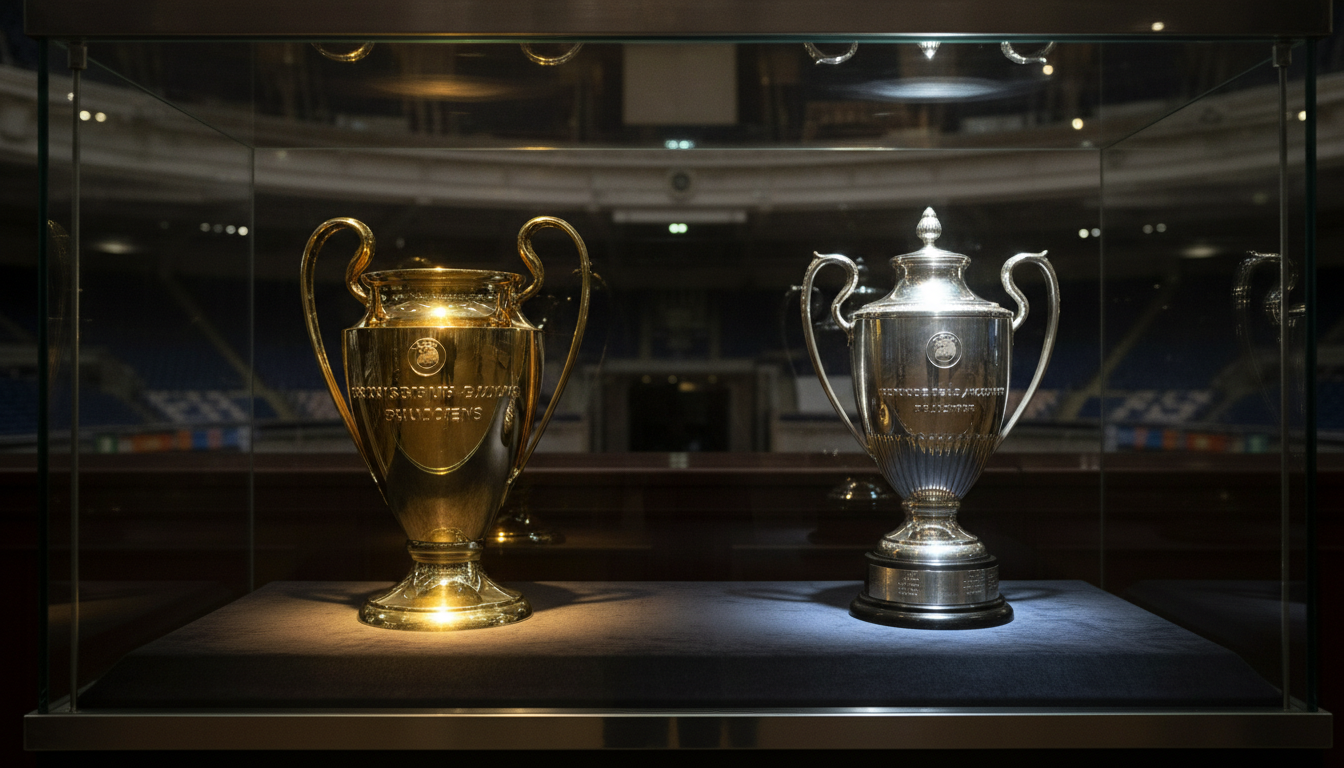
Paris Saint-Germain meet Arsenal in Budapest on 30 May as defending champions, bidding to become only the second club in the Champions League era to retain the title — after Real Madrid’s 2016-2018 three-peat. The football-historical stakes match the World Cup-week timing.
The Weight of History: Chasing Real Madrid’s Ghost
The 2026 UEFA Champions League final at the Puskás Aréna in Budapest presents a unique historical proposition. Paris Saint-Germain, having secured the title in 2025, arrives as defending champions with the ambition to become only the second club since 1992 to retain the Champions League trophy. This pursuit places them alongside Real Madrid, who achieved an unprecedented three-peat from 2016 to 2018. PSG’s challenge is not merely to win but to establish a sustained dominance, proving their 2025 triumph was the start of an era, not an isolated peak.
Arsenal, meanwhile, seeks to carve its own piece of history, bidding to become the 25th club ever to lift the Champions League trophy. Their last appearance in the final was in 2006, where they lost to Barcelona at the Stade de France. This long interval underscores their profound motivation to claim Europe’s most coveted prize. For both clubs, the final transcends a single season’s silverware; it defines their legacy within the broader Champions League narrative.
PSG’s bid for a consecutive title also highlights a specific historical anomaly: they are attempting to become only the second new winner in succession after their 2025 triumph. This statistic emphasizes the difficulty of maintaining dominance and securing back-to-back victories in the fiercely competitive modern European football landscape. The pressure on PSG is therefore multifaceted: to emulate Real Madrid, prevent Arsenal from joining an exclusive club, and solidify their status as a truly established European superpower.
Pathway to Budapest: PSG’s Semifinal Test, Arsenal’s Ambition
Paris Saint-Germain’s route to the Puskás Aréna included a demanding semi-final encounter against Bayern Munich, which they navigated with a 5-4 aggregate victory. This high-scoring triumph over a European giant underscores PSG’s offensive strength and resilience. The nature of this win suggests a team confident in attack but potentially vulnerable defensively, a factor Arsenal will undoubtedly have analyzed. Overcoming Bayern with such a decisive aggregate score makes a strong statement of PSG’s quality and determination to defend their title.
Arsenal’s presence in Budapest on 30 May signifies a successful campaign built on consistency and tactical acumen. For a club returning to the final after 2006, this season represents the culmination of strategic rebuilding. Their ambition is to win, not just participate, and break their long-standing wait for European glory. This desire, combined with PSG’s objective to retain the trophy, sets the stage for a compelling tactical battle driven by profound motivations.
The Puskás Aréna provides a fitting stage for this clash. Having successfully hosted the 2023 Europa League final, the stadium is well-prepared for major European club competitions. The UEFA Champions Festival, running from 28-31 May in Budapest, will amplify the atmosphere, transforming the city into a hub of football celebration. This festival environment, coupled with the grandiosity of the stadium, adds another layer of intensity to what is already the season’s most significant club match, kicking off at 18:00 CEST.
The World Cup Confluence: Player Management and National Stakes
The 2026 Champions League final’s timing, just two days before the FIFA World Cup 2026 final squad deadline on 1 June, introduces an extraordinary dynamic. This tight turnaround creates unprecedented pressure on player management, fitness, and selection decisions for both clubs and national federations. Players vital to both club and country face immense stakes, balancing the demands of a high-intensity final with the imperative of maintaining peak condition for the World Cup across the United States, Canada, and Mexico. The risk of injury or mental fatigue is a significant concern for all involved.
PSG’s squad includes several key World Cup contributors: Dembélé and Doué (France), Vitinha and Nuno Mendes (Portugal), Hakimi (Morocco), Marquinhos (Brazil), and Pacho (Ecuador). Each is a crucial component for PSG, and their performance in Budapest will be closely watched by their national team coaches. The dual pressure of club glory and national duty creates a unique mental and physical challenge. Any incident in the final could have repercussions extending beyond Budapest, potentially impacting World Cup participation or effectiveness.
Sources

Related news
France vs Senegal Preview: Mbappé’s First World Cup Match Lands at MetLife
France open their 2026 World Cup campaign against Senegal at MetLife Stadium on Tuesday 16 June.…
Five Days In: Where Matchday 1 Has Left the 2026 World Cup Favourites
Mexico routine, USA emphatic, Germany sensational. But Brazil were second-best for stretches against Morocco, Switzerland could…
Scotland 1-0 Haiti: Scotland’s First World Cup Win Since 1998
Scotland beat Haiti 1-0 at Gillette Stadium in Boston on Sunday 14 June for their first…