Seven Out: The German Stars Nagelsmann Cut From the 2026 World Cup Squad
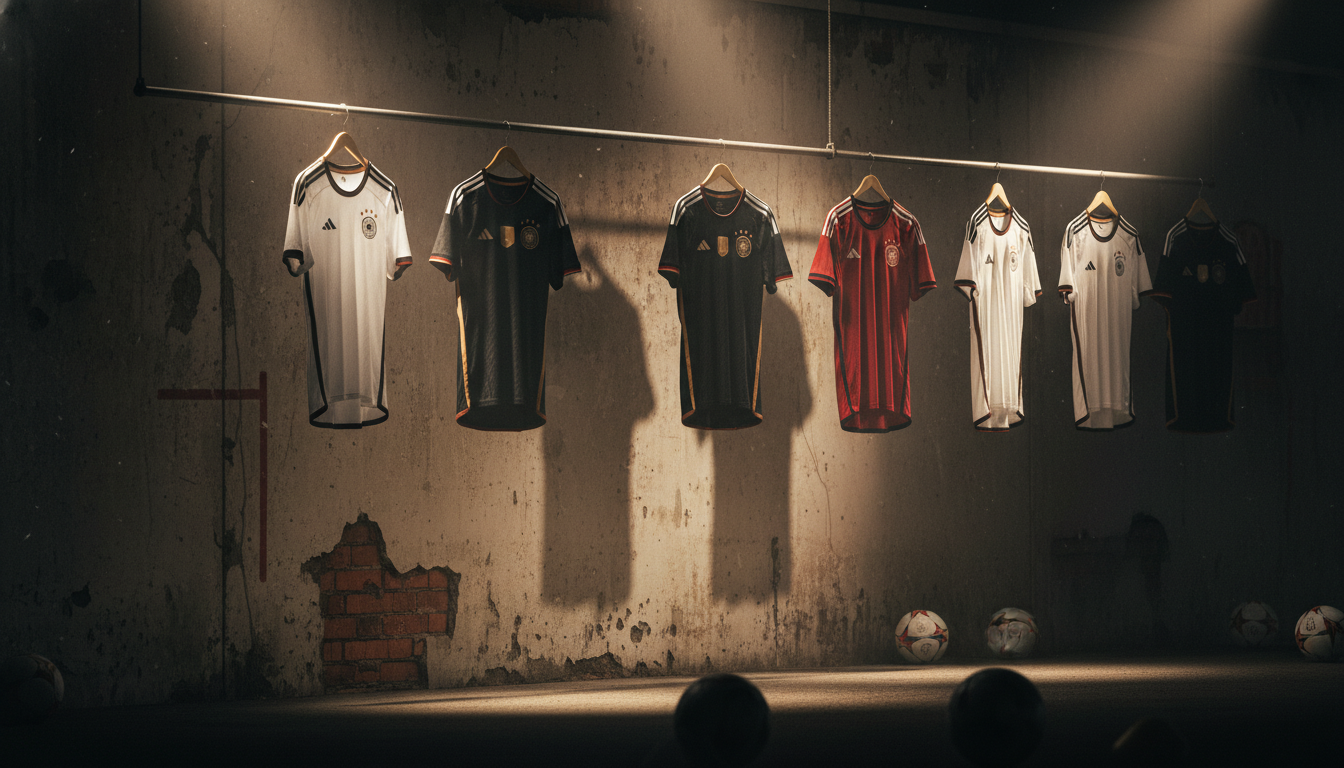
The anticipation surrounding Germany’s 2026 FIFA World Cup squad has reached its crescendo, with Julian Nagelsmann officially announcing his final 26-man selection on Thursday, May 21, 2026. As expected, the announcement was not without its significant talking points, particularly concerning the players who will not be making the journey to the United States, Canada, and Mexico for the tournament which runs from 11 June to 19 July 2026. Seven notable names have been omitted, signaling a clear strategic shift and a ruthless commitment to Nagelsmann’s vision for the national team. While Serge Gnabry’s absence is attributed to ongoing fitness issues, the most striking omission for many observers is that of West Ham striker Niclas Füllkrug, a player who contributed significantly during the Euro 2024 campaign. Nagelsmann’s selections underscore a discernible pivot towards youthful dynamism in the attacking third, coupled with a willingness to cut seasoned veterans who have fallen out of the recent international rotation. This blend of bold decisions and calculated risks defines Germany’s approach as they prepare to face Curaçao, Côte d’Ivoire, and Ecuador in Group E.
The Striking Omission: Niclas Füllkrug’s Unexpected Absence
The decision to exclude Niclas Füllkrug from the final 26-man squad is arguably the most surprising and impactful of Nagelsmann’s choices. Füllkrug, currently a striker for West Ham, had established himself as a valuable and often decisive presence for Germany, particularly during Euro 2024 where his contributions were noted for their timely nature and significant impact. His profile as a traditional center-forward, capable of holding up play, providing a physical presence in the box, and converting chances, offered a distinct option that many believed was crucial for tactical flexibility. His ability to score crucial goals, often coming off the bench to change the dynamic of a match, made him a reliable asset in previous international tournaments and qualifiers.
The analytical perspective suggests that Nagelsmann’s decision to leave out Füllkrug indicates a clear strategic preference for a different type of attacking player. While Füllkrug offers a classic number nine role, often seen as a focal point for direct play, Nagelsmann appears to be prioritizing forwards who possess greater pace, versatility, and technical fluidity, capable of operating across the front line or in a more withdrawn capacity. This approach aligns with a modern tactical trend emphasizing interchangeable attacking positions and high pressing, where a traditional, less mobile striker might be perceived as less suitable for the continuous, high-intensity demands of a World Cup campaign.
His omission also sends a strong message about the competitive landscape within the German squad. Despite his proven track record and experience, Nagelsmann has evidently opted for other profiles, perhaps signaling a belief that the system he intends to deploy in the World Cup does not inherently require Füllkrug’s specific attributes. This is a bold move, considering Füllkrug’s consistent goal-scoring output at club level and his demonstrated ability to perform under pressure for the national team. Analysts will be keen to observe how Germany’s attacking line-up performs without this established veteran, particularly against robust defensive units in Group E and beyond. The absence of Füllkrug means Germany will rely on a different set of attacking solutions, potentially favoring a more fluid and less predictable offensive structure.
Injury Woes and Missed Opportunities: Serge Gnabry
Serge Gnabry’s absence from the 2026 World Cup squad, while regrettable, is understood to be due to ongoing fitness issues. This explanation provides a clear reason for his omission, distinguishing it from the more tactical decisions seen with other players. Gnabry, a dynamic and potent winger, has been a significant figure in German national team setups for several years, known for his explosive pace, direct dribbling, and clinical finishing. When fit and in form, he offers a unique threat from wide areas, capable of creating chances for himself and others, and stretching opposition defenses.
The impact of Gnabry’s injury-enforced absence cannot be overstated. His experience in major tournaments and his ability to deliver impactful performances on the biggest stages would have been invaluable. Losing a player of his caliber, particularly one who can unlock tight defenses with individual brilliance, inevitably narrows Nagelsmann’s attacking options. It removes a proven goal-scorer and creator from the roster, forcing the manager to rely on alternative players to provide the necessary width, penetration, and goal threat from the flanks.
From an analytical standpoint, Gnabry’s injury underscores the precarious nature of international squad selection and the fine margins involved. While Nagelsmann had to make a pragmatic decision based on Gnabry’s physical condition, it means that other players will now have a greater opportunity to step into prominent roles. This situation might accelerate the integration of younger, less experienced wingers or attacking midfielders into the starting lineup or key substitute positions. The challenge for Germany will be to replicate Gnabry’s unique blend of speed, skill, and end product, ensuring that the team’s attacking fluidity and effectiveness remain at the highest level despite his absence. The squad will need to demonstrate depth and adaptability to compensate for the loss of such an influential attacker, especially when navigating the demanding schedule of a World Cup.
The Omissions from Club Powerhouses: Five Reportedly Cut
Beyond the high-profile absences of Füllkrug and Gnabry, Nagelsmann has reportedly made a series of other significant cuts, affecting players from both domestic and international club powerhouses. These decisions collectively highlight a consistent theme of prioritizing specific tactical profiles and a willingness to move on from established names who may not perfectly align with the manager’s evolving philosophy. The reported omissions include Yann Aurel Bisseck from Inter Milan, and a quartet from Borussia Dortmund: Pascal Groß, Maximilian Beier, Niclas Süle, and Julian Brandt. Each of these players brings a distinct set of skills and experiences, and their reported exclusion offers further insight into Nagelsmann’s strategic thinking.
Yann Aurel Bisseck (Inter Milan)
Yann Aurel Bisseck, a central defender at Inter Milan, was reportedly among those left out. Bisseck represents a younger generation of defenders, having gained valuable experience in a top European league. His presence in the squad would have offered an option for defensive depth, potentially with an eye on future tournaments. However, Nagelsmann’s decision indicates that the current defensive hierarchy, or the specific attributes he sought in his central defenders for this World Cup, did not align with Bisseck’s profile at this precise moment. This could point to a preference for more experienced campaigners, or perhaps defenders who offer a different tactical fit in terms of ball-playing ability or defensive aggression. His reported omission suggests that while he is a promising talent, he has not yet solidified his position as an indispensable component of the senior national team’s immediate plans for a major tournament.
Pascal Groß (Borussia Dortmund)
Pascal Groß, a midfielder for Borussia Dortmund, was also reportedly omitted. Groß is known for his intelligence, positional awareness, and ability to dictate play from deep or in a more advanced midfield role. His experience and versatility, particularly in linking defense with attack and providing a calming presence in possession, would typically be considered valuable assets. His reported exclusion suggests that Nagelsmann has identified other midfielders who he believes offer a better balance of attributes for the German engine room. This could be due to a preference for more dynamic, box-to-box midfielders, or those with a higher defensive work rate, indicating a tactical focus on energy and transition play in the midfield battleground. Groß’s omission is a clear indication that even technically proficient and experienced players must fit a very specific mold to earn a place under Nagelsmann.
Maximilian Beier (Borussia Dortmund)
Maximilian Beier, another Borussia Dortmund player, reportedly missed out. Beier is primarily an attacker, representing the kind of youthful talent that Nagelsmann has seemingly shown an interest in for other positions. His reported exclusion, especially in light of the youth movement elsewhere, might seem counter-intuitive at first glance. However, it underscores the intense competition in Germany’s attacking ranks. It suggests that while Beier possesses potential and raw ability, he may not yet have demonstrated the consistency, tactical understanding, or specific attributes that Nagelsmann demands for a World Cup squad. The manager might have opted for players who are either more established in their roles or offer a more immediate and unique impact within the tactical framework, rather than relying on development during the tournament itself.
Niclas Süle (Borussia Dortmund)
Niclas Süle, a central defender also from Borussia Dortmund, was reportedly not included in the final squad. Süle brings significant experience at both club and international levels, having played for major European clubs and featured in previous tournaments. His physical presence, aerial ability, and leadership qualities are well-documented. His reported omission is particularly notable given his experience. This decision could signal a desire for greater pace in the defensive line, or a preference for defenders who are more adept at playing out from the back under pressure, aligning with a more possession-based or high-pressing tactical approach. Süle’s exclusion, despite his pedigree, highlights Nagelsmann’s willingness to make tough calls on established players if he believes their current form or specific attributes do not perfectly align with the tactical demands he foresees for the World Cup campaign. It emphasizes that no player, regardless of past achievements, is guaranteed a spot.
Julian Brandt (Borussia Dortmund)
Julian Brandt, another Borussia Dortmund attacking midfielder, was reportedly omitted. Brandt is known for his creativity, vision, and ability to unlock defenses with incisive passes and intelligent movement. He offers a different dimension to Germany’s attack, often operating as a link-up player or a wide playmaker. His reported absence suggests that Nagelsmann has opted for other creative outlets in the midfield and attacking third, potentially favoring players who offer more direct goal threat, defensive work rate, or tactical discipline within a specific system. It could also indicate a preference for less traditional playmakers, or a squad composition where the creative burden is distributed across multiple players rather than relying on a singular, designated number ten. Brandt’s omission, like that of his Dortmund teammates, underlines Nagelsmann’s meticulous approach to squad construction, prioritizing specific roles and attributes over general talent or club form.
The Youthful Injection and Strategic Choices in Attack
In stark contrast to the seasoned veterans who have been omitted, Julian Nagelsmann has demonstrated a clear commitment to injecting youthful energy and potential into Germany’s attacking options. This strategy is most evident in the inclusions of Lennart Karl and Said El Mala, two young players who represent the future of German football and are now entrusted with a significant role on the biggest stage. Their presence in the 26-man squad is a testament to Nagelsmann’s belief in their abilities and his willingness to back emerging talents.
Lennart Karl has been included as a young attacking option, signifying Nagelsmann’s intent to bring fresh legs and a different dynamic to the forward line. While specific details of his playing style are not provided, his inclusion as a “young attacking option” suggests a player who brings pace, directness, and perhaps an element of unpredictability to the German offense. This aligns with the broader tactical trend of prioritizing versatile attackers who can operate in multiple roles and contribute to a high-tempo, fluid attacking system. Karl’s selection over more established players like Füllkrug indicates a strategic shift away from traditional focal points towards a more agile and adaptable forward line, capable of exploiting spaces and varying their attacking approach.
Said El Mala’s inclusion is particularly noteworthy due to the personal involvement of Julian Nagelsmann. The fact that Nagelsmann personally informed El Mala of his selection underscores the manager’s direct communication style and his high regard for the player. El Mala’s presence as a young attacking option further reinforces the theme of youth and dynamism. This personal touch from the manager can be a significant motivator for a young player, instilling confidence and a sense of belonging within the squad. It suggests that El Mala has demonstrated qualities beyond mere technical ability, perhaps displaying a strong work ethic, tactical intelligence, or a specific skill set that Nagelsmann believes will be crucial for the team’s success. Both Karl and El Mala represent Nagelsmann’s vision for a forward-thinking Germany, one that relies on energetic, technically gifted young players to drive its offensive efforts, signaling a generational shift that is now firmly underway.
A Veteran’s Return: Manuel Neuer’s Inclusion at 40
Amidst the widespread cuts and the clear emphasis on youth, one notable veteran has not only retained his place but has made a remarkable return to the international stage: Manuel Neuer. His inclusion in the 26-man squad is particularly significant given that he came out of retirement at the age of 40 to be available for the World Cup. This decision by Nagelsmann is a striking counterpoint to the ruthless culling of other experienced players, highlighting a careful balance between rejuvenation and the retention of proven, high-caliber leadership.
Neuer’s presence at 40 years old as a goalkeeper speaks volumes about his enduring quality, physical conditioning, and mental fortitude. His career has been defined by his revolutionary goalkeeping style, often acting as a ‘sweeper-keeper’ and providing an extra dimension to his team’s defensive and build-up play. Even at an advanced age for a professional footballer, his ability to command his area, distribute the ball effectively, and make crucial saves remains paramount. His experience in multiple World Cups, including a triumph in 2014, provides an invaluable source of calm and authority in a high-pressure environment.
From an analytical perspective, Nagelsmann’s decision to bring Neuer out of retirement and include him in the squad suggests that certain positions, particularly goalkeeper, demand a unique blend of experience and leadership that cannot always be replicated by younger talents. While the outfield positions are undergoing a significant youth movement, the stability and presence offered by a goalkeeper of Neuer’s stature are evidently deemed indispensable. His inclusion provides a crucial anchor of experience and leadership within a squad that is otherwise seeing a considerable overhaul. This blend of an aging, iconic captain and a cadre of dynamic, hungry young players represents Nagelsmann’s carefully constructed vision for Germany, aiming to combine the wisdom of the past with the energy of the future as they head into the 2026 World Cup.
Germany’s World Cup Prospects and Group E Challenge
With Julian Nagelsmann’s 26-man squad now finalized, the focus shifts firmly to Germany’s prospects in the 2026 FIFA World Cup, where they are set to compete in Group E. Their opponents in the group stage will be Curaçao, Côte d’Ivoire, and Ecuador. This group presents a varied challenge, with each opponent offering distinct styles and potential pitfalls. While Germany will be considered favorites to advance, the nature of World Cup football demands meticulous preparation and a cohesive unit, especially with a squad that features significant changes.
Curaçao, while perhaps the least heralded of the group, can pose an unpredictable challenge with their individual flair and desire to make a mark on the global stage. Côte d’Ivoire will bring athleticism, power, and pace, characteristic of many African teams, which could test Germany’s defensive organization and midfield control. Ecuador, representing South American football, will likely be tactically astute, physically robust, and capable of quick transitions, presenting a different type of challenge that demands both technical superiority and mental resilience.
Germany’s outright odds for the tournament are currently set at +1400. This places them among the contenders, but not necessarily as overwhelming favorites, reflecting the competitive nature of international football and perhaps a cautious assessment of a squad undergoing significant evolution. The decisions made by Nagelsmann, particularly the emphasis on youth in attack and the ruthless cuts of veterans, will be under intense scrutiny during the group stage. The success of this strategy will hinge on how quickly the new attacking talents like Lennart Karl and Said El Mala integrate and perform, and how the revamped midfield and defense coalesce under pressure.
The balance of experience, epitomized by Manuel Neuer’s return, and the youthful exuberance will be crucial. Navigating Group E successfully will build momentum and confidence for the knockout rounds. The tactical adaptability of Nagelsmann’s system, especially in responding to different opposition styles, will be key to converting their potential into a deep run in the tournament. The World Cup provides the ultimate test for this new-look German squad, and their performance in the group stage will offer the first definitive answers regarding the wisdom of Nagelsmann’s bold and uncompromising selection policy.
Julian Nagelsmann’s squad for the 2026 FIFA World Cup is a definitive statement of intent, characterized by bold decisions and a clear strategic vision. The ruthless omissions of established veterans like Niclas Füllkrug, alongside the injury-forced absence of Serge Gnabry and the reported exclusion of several key players from Borussia Dortmund and Inter Milan, underscore a profound shift in the national team’s direction. By integrating young attacking talents such as Lennart Karl and Said El Mala, while simultaneously bringing back a legendary figure in 40-year-old Manuel Neuer, Nagelsmann has crafted a squad designed to blend youthful dynamism with invaluable experience. This calculated balance, though potentially risky, aims to provide Germany with the necessary tools to navigate a challenging Group E and contend for the ultimate prize in the United States, Canada, and Mexico. The coming weeks will reveal whether these courageous choices will propel Germany to World Cup glory or expose the vulnerabilities inherent in such a significant squad overhaul.
Sources: Yahoo Sports — Germany announces squad, 7 notable stars left out, Sportbible — Germany announce 26-man squad, surprise ex-PL star included, Sports Illustrated — Germany 2026 roster confirmed
Sources

Related news
France vs Senegal Preview: Mbappé’s First World Cup Match Lands at MetLife
France open their 2026 World Cup campaign against Senegal at MetLife Stadium on Tuesday 16 June.…
Five Days In: Where Matchday 1 Has Left the 2026 World Cup Favourites
Mexico routine, USA emphatic, Germany sensational. But Brazil were second-best for stretches against Morocco, Switzerland could…
Scotland 1-0 Haiti: Scotland’s First World Cup Win Since 1998
Scotland beat Haiti 1-0 at Gillette Stadium in Boston on Sunday 14 June for their first…