The June Warm-Up Window: Every Friendly That Matters Before the 2026 World Cup
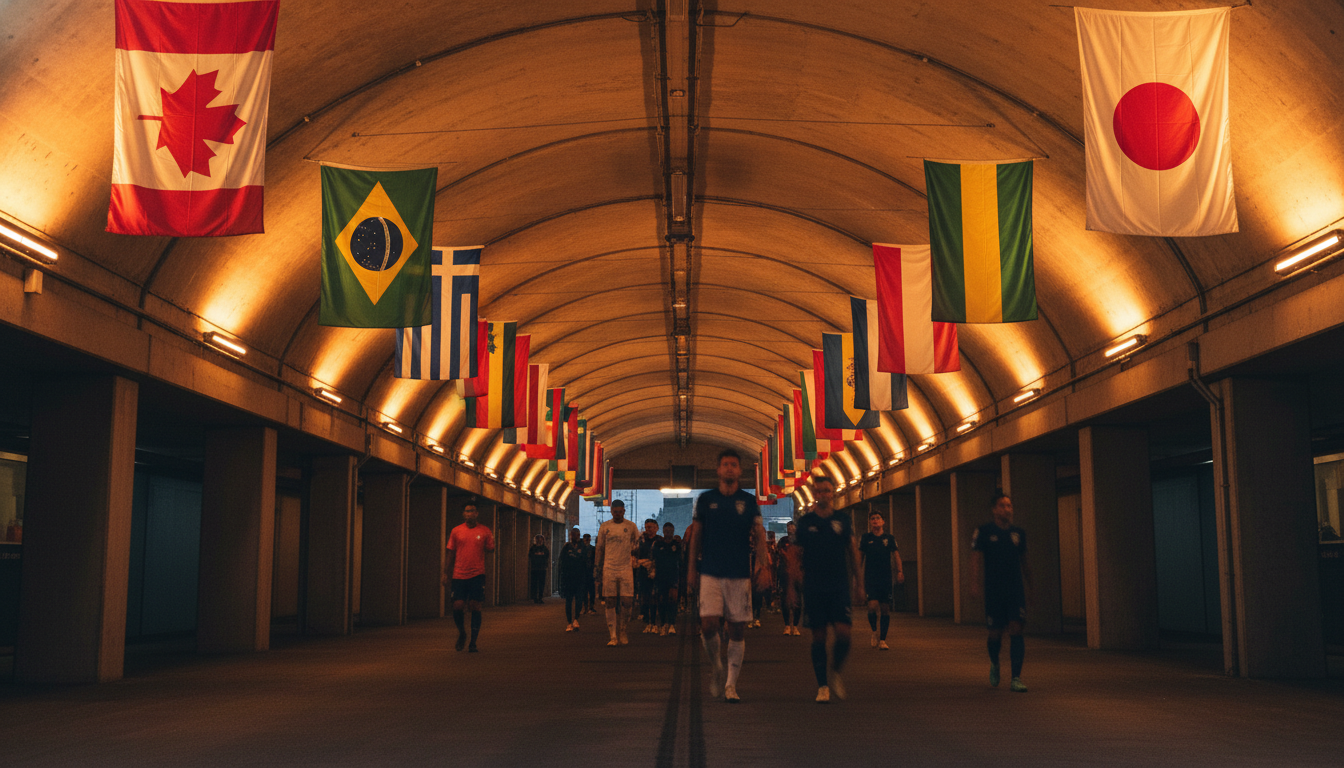
As the countdown to the 2026 FIFA World Cup intensifies, the period between 1 and 10 June represents the final, critical warm-up window for every serious contender. With the tournament kicking off on 11 June with Mexico vs. South Africa at Estadio Azteca, this ten-day stretch offers the last opportunity for managers to fine-tune tactics, assess player fitness, and solidify their starting elevens. For analysts and bettors alike, these friendlies, while not always predictive of tournament success, provide invaluable data points and the ultimate indicator of a team’s readiness before the group stage commences. This window is particularly significant given that all major federations have scheduled at least one tier-two friendly, ensuring meaningful tests despite the inherent risks of injury or tactical exposure.
The strategic importance of these pre-tournament encounters cannot be overstated. While the outcomes themselves are often downplayed by coaching staffs, the underlying performances, tactical experiments, and individual player assessments are rigorously scrutinized. This is the last chance for players on the fringes of the squad to stake a claim, and for established starters to build rhythm and confidence. With squad announcements for several key nations occurring in May – France on 14 May, Germany on 21 May, and England as late as 1 June – the timing means some players will be fighting for their final roster spots, while others will be honing their roles within a confirmed unit. The analytical focus will thus shift from who makes the squad to how they perform within it, and what tactical blueprints are being laid down for the challenges ahead.
The Final Dress Rehearsal: Why These Friendlies Matter (and Don’t)
It is a common refrain in football analysis that pre-tournament friendlies are not predictive of World Cup success. This sentiment holds considerable truth; the stakes are different, the intensity is often lower, and managers frequently prioritize experimentation over winning. However, dismissing their value entirely would be a critical oversight. These matches represent the final opportunity for a manager to observe their chosen personnel in a competitive, albeit controlled, environment. They are the last chance to test formations, set-piece routines, and defensive structures against opposition before the pressure of the group stage descends. For betting markets, the insights gleaned from these games can be substantial, influencing everything from outright winner odds to individual player props.
The true value of these friendlies lies in their role as a ‘starting-eleven indicator’. While a manager might rotate heavily in one match, a second friendly, particularly one scheduled closer to the tournament start, often reveals a clearer picture of their preferred lineup. The psychological impact on players, too, is noteworthy. A strong performance can boost confidence, while a poor showing might necessitate a last-minute tactical rethink. The absence of significant competitive pressure also allows for players returning from injury to gain crucial minutes without the full intensity of a tournament match, offering valuable insights into their current fitness levels. Moreover, FIFA recommendations for warm-ups in similar climate and altitude to opening fixtures add another layer of strategic planning, influencing where and how teams prepare.
For example, a team opening their World Cup campaign in a hot, humid environment might seek out a friendly in a similar climate to acclimate their players. This attention to detail, while seemingly minor, can have tangible benefits in the demanding schedule of a major tournament. The public streaming of most warm-ups, even those played behind closed doors, via federation broadcast deals, means that these crucial tactical rehearsals are no longer hidden from public and analytical scrutiny. This transparency allows for a more informed assessment of each team’s preparations, providing a richer dataset for pundits and bettors to analyze ahead of the tournament’s opening whistle on 11 June.
Contender Calendars: England, Portugal, Germany, and Spain’s June Gauntlet
Several leading contenders have specific warm-up schedules confirmed, offering a glimpse into their final preparations. England, under intense scrutiny, has a two-match slate. Their first warm-up is against New Zealand on 6 June in Tampa Bay. This fixture, against an opponent not typically considered a global footballing power, will likely serve as an opportunity for tactical experimentation and for players to build match sharpness. Four days later, on 10 June, England will face Costa Rica in Orlando. This second friendly, just a day before the tournament commences, provides a more direct opportunity to test a near full-strength starting eleven. The proximity of both matches to England’s opening fixture and the locations within the United States suggest an adherence to FIFA’s climate recommendations, aiming to acclimate the squad to North American conditions.
Portugal also has a significant warm-up on 10 June, facing Nigeria. This match, scheduled on the eve of the World Cup, will be a critical test against a formidable African opponent. Nigeria offers a physical and technically adept challenge, providing a robust examination of Portugal’s tactical cohesion and defensive solidity. Such a late fixture implies a strong desire from the coaching staff to see their primary starting eleven in action one last time, with minimal room for error or extensive experimentation. The result and performance, though not determinative, will undoubtedly shape the narrative around Portugal’s immediate prospects as the tournament begins.
Germany, with their squad announcement slated for 21 May, will have a clearer picture of their final roster ahead of their warm-up schedule. While their specific friendly matches are not detailed, the general directive for all major federations to schedule at least one tier-two friendly in the window applies. Germany opens their World Cup campaign against Curaçao on 14 June at NRG Stadium in Houston. Their warm-up strategy will almost certainly be geared towards preparing for this specific opponent and the conditions in Houston, focusing on fluidity in attack and defensive organization against a potentially compact opponent. The analytical focus will be on how effectively Germany integrates their squad selections into a cohesive unit during their final preparatory games.
Spain, another European powerhouse, has their World Cup opener against Cabo Verde on 15 June at Mercedes-Benz Stadium in Atlanta. Similar to Germany, Spain’s warm-up schedule will be tailored to ensure peak performance for this specific match. The choice of opponent for their friendly (or friendlies) will likely mimic the characteristics of Cabo Verde, allowing for targeted tactical drills. The focus for Spain will be on establishing dominance in possession, exploiting wide areas, and ensuring their defensive transitions are seamless. Given the late squad announcement window for some nations, Spain’s preparations will be closely watched for any last-minute tactical surprises or personnel changes.
Squad Construction and Climate Considerations: The FIFA Mandate
The timing of squad announcements relative to the warm-up window creates distinct scenarios for different nations. France, announcing their squad on 14 May, and Germany on 21 May, will have their full rosters confirmed well in advance of the 1-10 June friendly period. This allows for a more settled preparation phase, with managers having ample time to work with their final selection of players. The emphasis during their warm-ups can then be squarely on tactical refinement and team cohesion, rather than evaluating fringe players for a spot. France, for instance, will be looking to prepare for their Group I opener against Senegal, Iraq, or Norway, making their warm-up choices critical for adapting to diverse opposition styles. Their focus will be on ensuring the squad is mentally and physically primed for whatever challenge emerges from that varied group.
England, with their squad announcement on 1 June, faces a different challenge. Their players will be competing in the warm-ups against New Zealand and Costa Rica with the finality of a World Cup squad selection still fresh, or even just confirmed. This could lead to a highly motivated, albeit potentially anxious, group of players. The late announcement means less time for the full squad to gel before the final friendlies, placing a greater emphasis on individual performances and pre-existing understandings between players. The analytical lens will be keen to observe how effectively England’s manager integrates the final squad members and whether any last-minute tactical shifts are evident.
FIFA’s recommendation for warm-ups in similar climates and altitudes to opening fixtures is a strategic consideration that major federations are taking seriously. For teams opening in the southern United States, like Spain in Atlanta or Germany in Houston, conducting warm-ups in comparable conditions is vital for player acclimatization. This minimizes the physiological shock of temperature and humidity changes, potentially reducing fatigue and injury risk during the initial, crucial group stage matches. The locations chosen for England’s friendlies – Tampa Bay and Orlando – clearly align with this recommendation, preparing them for the demands of playing in North American summer conditions. This meticulous planning underscores the fine margins at the elite level of international football.
The Betting Market’s Pulse: How Outright Lines React to the Warm-Up Window
For those engaged in the sports betting landscape, the pre-tournament warm-up window is a period of significant activity and potential market movement. Historically, bookmaker outright lines for the World Cup tighten by 5-15% during the warm-up week. This phenomenon is driven by a combination of factors: increased public interest, sharper analytical insights from the friendlies, and a final surge of confidence (or doubt) in specific contenders. As teams reveal their tactical intentions and player form, the market recalibrates its perceptions. A strong performance against a credible opponent can see a team’s odds shorten, reflecting increased perceived probability of success. Conversely, a disjointed display, particularly if accompanied by injury concerns, can lead to a lengthening of odds.
The transparency offered by publicly streamed friendlies, even those played behind closed doors, plays a crucial role here. Analysts and sophisticated bettors can observe tactical nuances, player chemistry, and fitness levels that might otherwise remain hidden. This allows for more informed adjustments to models and betting strategies. The market reacts not just to results, but to the underlying performances – the control of possession, defensive solidity, creativity in attack, and the effectiveness of set pieces. As the World Cup looms, every piece of information becomes more valuable, and the warm-up window provides the last significant influx of fresh data before the tournament proper begins.
Broadcast Access and Tactical Insights: What Viewers Can Expect
The landscape of pre-tournament friendlies has evolved significantly. In previous cycles, many warm-up matches, particularly those played behind closed doors, remained largely inaccessible to the general public and even to most analysts. However, the current trend sees most of these matches now publicly streamed via federation broadcast deals. This increased accessibility is a boon for fans and, crucially, for those seeking to gain a deeper analytical edge. It means that the final tactical rehearsals, which were once shrouded in secrecy, are now available for scrutiny, albeit often with limited commentary or production value.
For the astute observer, these broadcasts offer a treasure trove of tactical insights. Viewers can identify preferred player pairings, observe changes in formation, and assess the effectiveness of pressing schemes or defensive blocks. The body language of players, the intensity of their runs, and their decision-making under low-stakes pressure can all provide subtle cues about their readiness. While the competitive intensity may be lower than a World Cup fixture, the technical and tactical elements remain highly relevant. This access allows for a more granular understanding of each team’s final preparations, moving beyond mere scorelines to the underlying dynamics that will define their tournament performance.
As the final whistle blows on these June warm-ups, the focus will shift entirely to the main event. These friendlies, while not without their caveats, serve as the definitive prelude to the 2026 FIFA World Cup. They are the last chance for managers to make their case, for players to stake their claim, and for the betting markets to settle their final pre-tournament positions. The insights gleaned from this ten-day window will inform the initial narratives and expectations, setting the stage for what promises to be an enthralling summer of football. The tactical blueprints laid down, the fitness levels demonstrated, and the mental fortitude displayed will all contribute to a comprehensive picture of each contender’s readiness for the global spectacle that begins on 11 June.
Sources: FIFA — 10 friendlies to watch, Yahoo Sports — England warm-ups confirmed, Cup of Nations — WC 2026 warm-up schedule
Sources

Related news
France vs Senegal Preview: Mbappé’s First World Cup Match Lands at MetLife
France open their 2026 World Cup campaign against Senegal at MetLife Stadium on Tuesday 16 June.…
Five Days In: Where Matchday 1 Has Left the 2026 World Cup Favourites
Mexico routine, USA emphatic, Germany sensational. But Brazil were second-best for stretches against Morocco, Switzerland could…
Scotland 1-0 Haiti: Scotland’s First World Cup Win Since 1998
Scotland beat Haiti 1-0 at Gillette Stadium in Boston on Sunday 14 June for their first…