Scotland and Haiti in Group C: The Underdog Story Inside Brazil’s Group
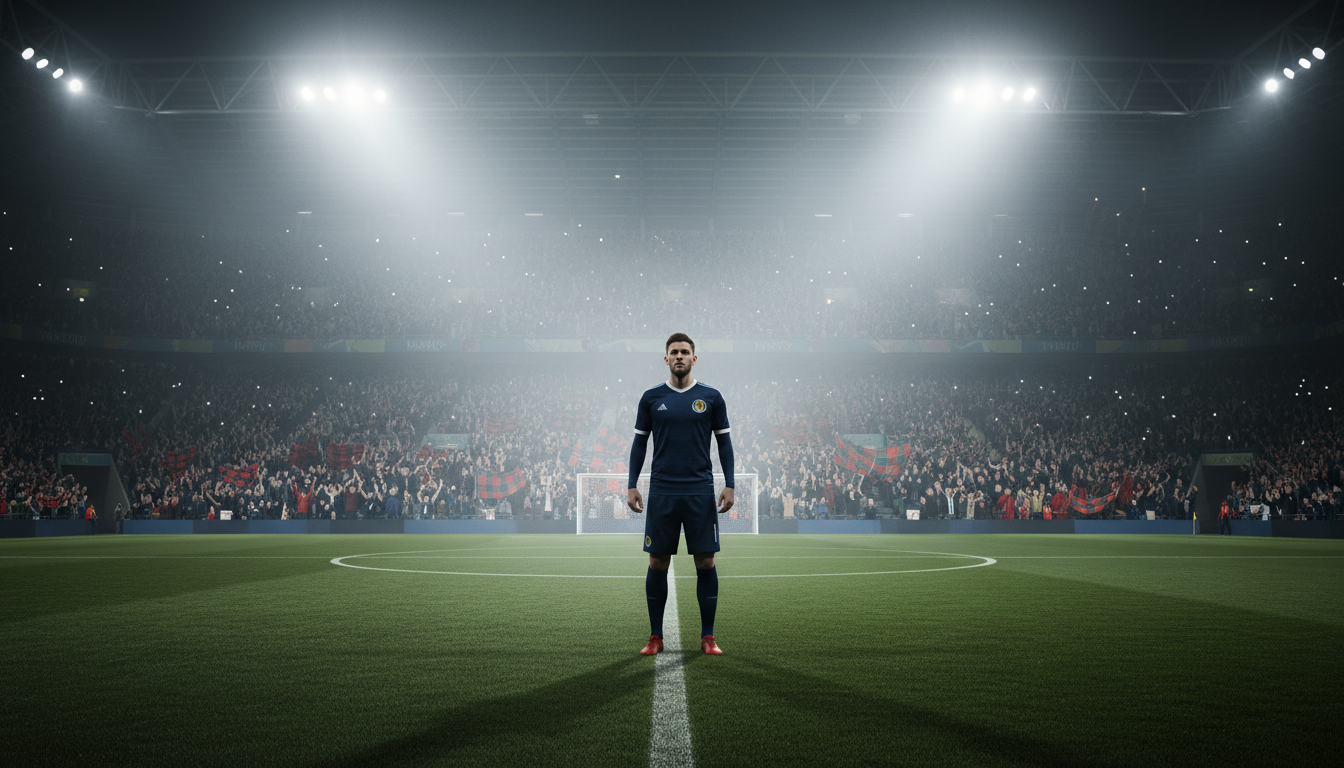
Group C at the 2026 FIFA World Cup presents a compelling narrative, one that extends far beyond the established powerhouses. While Brazil, a perennial contender, and Morocco, fresh from their impressive run in the previous World Cup cycle, naturally command the lion’s share of headlines, the group’s true intrigue lies in the stories of its other two participants: Scotland and Haiti. For Scotland, this tournament marks a long-awaited return to the global stage after an absence stretching back to 1998, a significant milestone for a nation deeply entrenched in footballing tradition. Haiti, on the other hand, makes its first appearance since 1974, effectively marking them as tournament debutants in the modern era, representing a vibrant, emerging footballing nation from Concacaf. The expanded format of the 2026 World Cup, which allows for the advancement of the top two teams from each group plus eight of the best third-placed teams, opens a crucial window of opportunity for both Scotland and Haiti. This structure transforms the traditional group stage dynamics, making every point and every goal difference potentially vital, especially for teams targeting a historic progression beyond the initial phase. The battle for the third-place qualification slot is set to be fiercely contested within Group C, providing a captivating subplot to the main event.
Group C Dynamics: A Clash of Ambitions
The composition of Group C creates a fascinating blend of established footballing giants and ambitious challengers. Brazil arrives as one of the tournament’s perennial favorites, carrying the weight of expectation and a legacy of attacking prowess. Their presence alone elevates the group’s profile and sets a benchmark for performance. Morocco, having demonstrated remarkable resilience and tactical sophistication in recent international competitions, enters as a formidable force, no longer an underdog but a proven entity capable of competing with the world’s elite. Their opening match against Brazil at MetLife Stadium on 13 June is poised to be one of the early highlights of the tournament, offering an immediate test of both teams’ credentials and potentially setting the tone for the group’s hierarchy. However, the narratives of Scotland and Haiti are equally, if not more, compelling from an analytical perspective. These two nations represent different stages of footballing development and aspirations, yet both share the common goal of defying expectations within a challenging group. For Scotland, the aim is to leverage their strong qualifying form and collective experience to secure a tangible outcome, specifically targeting the third-place qualification. For Haiti, the objective is more foundational: to deliver a respectable group-stage performance that showcases their potential and validates their emergence on the international scene. The expanded qualification format fundamentally alters the strategic approach for all teams, but particularly for those not expected to top the group, making the pursuit of points against every opponent, not just the perceived weaker ones, critically important. This dynamic ensures that every match in Group C will carry significant weight, turning potential mismatches into high-stakes encounters where tactical discipline and mental fortitude will be paramount.
Scotland’s Return to the Global Stage
Scotland’s qualification for the 2026 FIFA World Cup marks a momentous occasion, ending a 28-year wait since their last appearance in 1998. This return is not merely symbolic; it is a testament to a sustained period of development and a strong qualifying performance that saw them navigate the challenging European playoff route. The successful negotiation of the playoff pathway speaks volumes about the team’s resilience, tactical discipline, and ability to perform under pressure in high-stakes environments. It indicates a squad that is well-drilled, possesses a robust collective spirit, and has the mental fortitude required to compete at the highest level. The journey through the qualifiers suggests a team that has matured, learning to secure results even when facing formidable opposition. This experience of overcoming significant hurdles in qualification will be invaluable as they prepare to face the diverse challenges presented by Group C. For the Scottish footballing public, this qualification is a profound source of national pride and excitement, reigniting a connection to the global spectacle that has been absent for nearly three decades. The long wait has cultivated a fervent desire within the nation to see their team perform creditably and make a lasting impression. From an analytical standpoint, Scotland’s realistic target of achieving third place and subsequently qualifying as one of the best third-placed teams is a strategically sound objective. This goal acknowledges the formidable strength of Brazil and Morocco while focusing on a pathway that is both achievable and historically significant. To achieve this, Scotland will need to demonstrate the same defensive solidity and opportunistic attacking play that characterized their strong qualifying campaign, particularly in their crucial opening match against Haiti, which holds immense importance for their aspirations. The collective experience of their squad, combined with the momentum from their successful qualification, positions Scotland as a serious contender for advancing from the group, even if not directly through the top two spots.
Haiti: The New Face of Concacaf Football
Haiti’s qualification for the 2026 FIFA World Cup is a landmark achievement, marking their first appearance since 1974. Given the vast changes in global football over the past five decades, this effectively positions them as tournament debutants, introducing a new generation of players and fans to the World Cup experience. Their journey through the Concacaf qualification process signifies their emergence as one of the brightest nations within the confederation, a testament to growing investment, talent development, and organizational improvements within Haitian football. This designation as an “emerging nation” implies a dynamic period of growth, characterized by an increasing pool of skilled players and a developing tactical identity. For a country with a passionate football culture, this qualification is a source of immense national pride and an opportunity to showcase their progress on the grandest stage. However, with this opportunity come significant challenges. As effective debutants, Haiti will face the intense pressures and heightened scrutiny that accompany World Cup participation, often for the first time for many of their players. The tactical sophistication and individual quality of opponents like Brazil, Morocco, and even Scotland will provide an unprecedented test. Their realistic target of a respectable group-stage performance is pragmatic and well-judged. This objective suggests a focus on competitive displays, avoiding heavy defeats, demonstrating tactical discipline, and potentially securing a historic point or even a surprise victory. A respectable showing would not only inspire future generations of Haitian footballers but also elevate the nation’s standing within Concacaf and on the international football map. It would validate the efforts made in developing their football infrastructure and talent, serving as a crucial stepping stone for continued growth. The experience gained from competing against top-tier opposition will be invaluable for the team’s long-term development, regardless of the immediate results. Their opening match against Scotland on 13 June in Boston will be particularly critical, offering an early chance to demonstrate their capabilities and set a tone for their tournament campaign, potentially influencing their ability to achieve that respectable performance.
The Crucial Opening Fixtures: Setting the Tone
The opening day of Group C, 13 June, features two highly anticipated matches that will immediately shape the group’s narrative and potential outcomes. The Brazil-Morocco opener at MetLife Stadium is a clash of titans, pitting one of football’s most decorated nations against a team that has recently established itself as a formidable force on the international stage. This fixture is more than just a curtain-raiser; it is a high-stakes encounter that will test both teams’ tactical readiness, individual brilliance, and mental resolve from the outset. A strong performance or a positive result in this match could provide significant momentum for either side, potentially determining who tops the group and setting a demanding standard for the other competitors. The outcome of this game will be closely scrutinized by Scotland and Haiti, as it will offer insights into the form and strategies of the group’s two strongest contenders. Simultaneously, the Haiti-Scotland match at Gillette Stadium in Boston carries an equally profound significance, albeit for different reasons. This fixture is, in many respects, the “underdog derby” of Group C, a direct confrontation between the two nations vying for the crucial third-place spot and the potential pathway to the knockout rounds. For Scotland, securing a victory in this opening match is paramount to their realistic target of third place plus best-third qualification. Three points against Haiti would provide a vital foundation, alleviating pressure and allowing them to approach their subsequent matches against Brazil and Morocco with a degree of confidence and tactical flexibility. For Haiti, this match against Scotland represents their most realistic opportunity to secure points and demonstrate their capability to compete at this level. A respectable performance, or even a draw, would be a monumental achievement, fueling their objective of a respectable group-stage showing and offering a psychological boost. The tactical approaches in both matches will be fascinating. Brazil and Morocco will likely engage in a high-intensity, technically demanding contest, while Scotland and Haiti will probably adopt more pragmatic strategies, prioritizing defensive solidity and opportunistic attacking play. The immediate results of these two fixtures will not only dictate the early standings but also significantly influence the strategic decisions and psychological states of all four teams as they progress through the group stage. The stakes are incredibly high, making these opening encounters critical for setting the tone for Group C.
The Third-Place Qualification Window: Scotland’s Pathway
The 2026 FIFA World Cup’s expanded format, which allows for eight of the best third-placed teams to advance to the knockout rounds, fundamentally alters the strategic landscape for nations like Scotland. This rule change transforms the traditional “top two only” mentality, opening a viable and realistic pathway for teams that might struggle to overcome group favorites but possess the quality to outperform other third-placed teams across the tournament. For Scotland, the target of securing third place and subsequently qualifying via this route is not merely aspirational but a strategically sound and achievable objective, directly linked to their strong qualifying performance and the collective strength of their squad. To maximize their chances, Scotland’s approach in Group C will need to be meticulously planned. Earning points against both Brazil and Morocco, even if they are draws, will be incredibly valuable. However, their match against Haiti becomes the most critical fixture for securing the necessary three points. Beyond securing points, goal difference will also play a pivotal role in determining the “best third-placed teams.” This means Scotland will need to focus not only on winning their winnable games but also on minimizing the margin of defeat against the stronger opponents and, conversely, maximizing goal difference if they can achieve a significant victory. The tactical implications are profound: a conservative approach against Brazil and Morocco, prioritizing defensive solidity and preventing heavy losses, coupled with an aggressive, clinical display against Haiti, could be the optimal strategy. The mental fortitude required to switch between these tactical mindsets will be a key test for the squad. The experience gained through their strong European playoff route qualification, where they demonstrated resilience under pressure, will be highly relevant here. Their ability to manage games, absorb pressure, and capitalize on set-pieces or counter-attacks will be crucial. The expanded format places a premium on consistency and strategic game management across all three group matches, making every minute of play and every goal scored or conceded potentially decisive in their pursuit of a historic advancement from Group C. The analytical focus for Scotland will be on their capacity to execute this nuanced strategy and navigate the complexities of the new qualification system.
Haiti’s Measure of Success: A Respectable Performance
For Haiti, the 2026 FIFA World Cup represents a monumental moment, effectively their modern-era debut on the global stage. Their realistic target of a respectable group-stage performance is a pragmatic and well-considered objective that reflects both the immense challenge of competing in Group C and the significant opportunity this tournament presents for the nation’s footballing future. A “respectable performance” for Haiti can be defined through several key metrics beyond simply winning matches. It would involve demonstrating tactical discipline, showing a clear identity in their play, avoiding heavy defeats, and competing fiercely in every match. The ability to push opponents, even the likes of Brazil and Morocco, for significant periods of a game would be a testament to their development. Securing a draw or, even more ambitiously, a victory against any opponent in the group would be a historic achievement, providing an immense boost to national morale and solidifying their status as an emerging force in Concacaf. The experience of competing against world-class opposition will be invaluable for the squad’s development. It exposes players to higher levels of tactical sophistication, speed, and technical quality, which can accelerate their individual and collective growth. For the coaches and the national football federation, the tournament will provide crucial insights into areas for improvement and a benchmark against which to measure future progress. Furthermore, a strong showing can significantly elevate the profile of Haitian football globally, attracting greater investment, scouting attention for its players, and inspiring a new generation of footballers within the country. The symbolic importance of their presence cannot be overstated; it is a powerful message of progress and potential. Their opening match against Scotland is particularly significant in this regard. A competitive display in that fixture would set a positive tone for their entire tournament, fostering belief within the squad and among their supporters. While the ultimate goal of advancing might be a distant one, the immediate objective of a respectable performance is a crucial step in Haiti’s long-term footballing journey, laying the groundwork for sustained growth and future World Cup aspirations.
Group C is poised to deliver a captivating blend of expected dominance and underdog ambition at the 2026 FIFA World Cup. While Brazil and Morocco will undoubtedly command attention as contenders for the top two spots, the narratives of Scotland and Haiti provide a rich layer of intrigue. Scotland’s long-awaited return and their strategic pursuit of the third-place qualification window, bolstered by a strong qualifying campaign, position them as a serious contender for a historic knockout stage appearance. Haiti, as effective debutants and Concacaf’s brightest emerging nation, seeks to make a profound statement through a respectable performance, laying crucial groundwork for their future development. The expanded qualification format ensures that every fixture, particularly the crucial opening day clashes, will be imbued with high stakes, making Group C one of the most analytically compelling groups to follow as the tournament unfolds in June.
Sources: Sky Sports — World Cup fixture schedule, FIFA — Match schedule
Related news
France vs Senegal Preview: Mbappé’s First World Cup Match Lands at MetLife
France open their 2026 World Cup campaign against Senegal at MetLife Stadium on Tuesday 16 June.…
Five Days In: Where Matchday 1 Has Left the 2026 World Cup Favourites
Mexico routine, USA emphatic, Germany sensational. But Brazil were second-best for stretches against Morocco, Switzerland could…
Scotland 1-0 Haiti: Scotland’s First World Cup Win Since 1998
Scotland beat Haiti 1-0 at Gillette Stadium in Boston on Sunday 14 June for their first…