Scotland 1-0 Haiti: Scotland’s First World Cup Win Since 1998
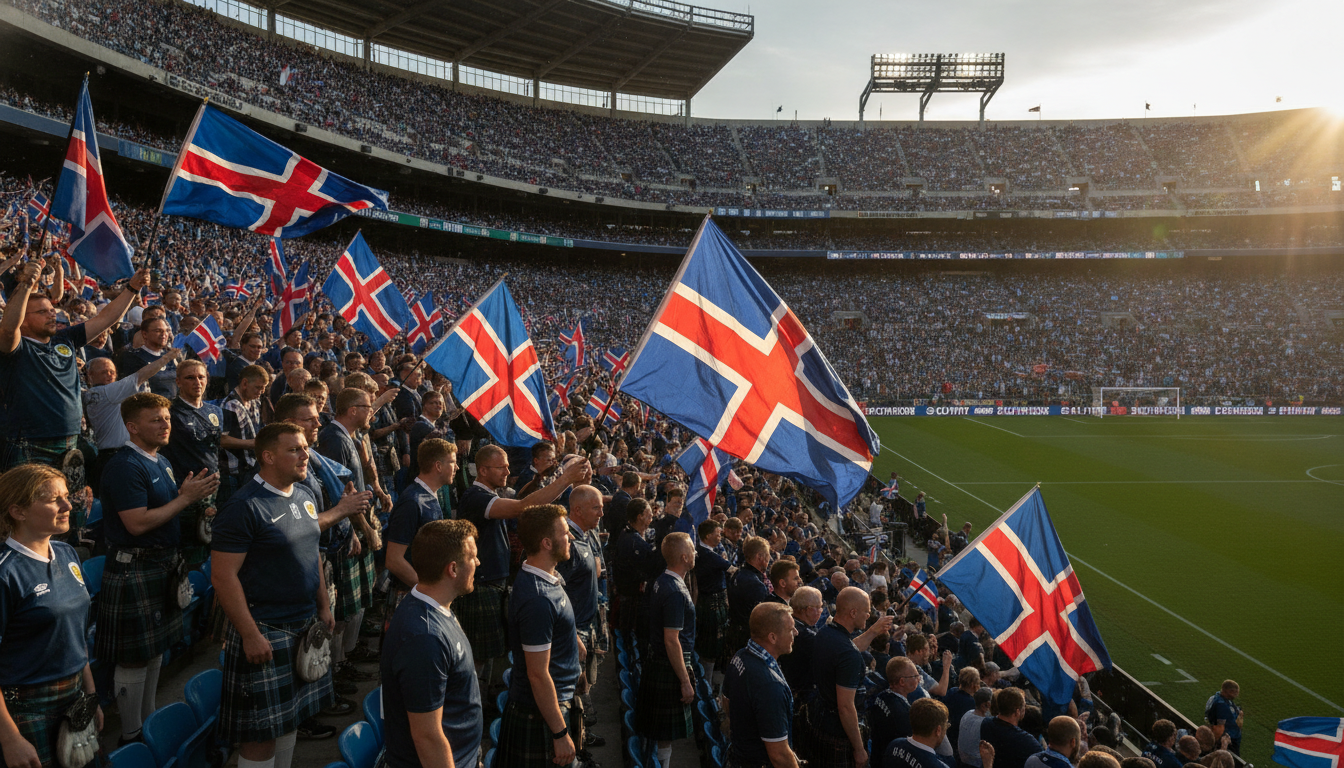
Scotland beat Haiti 1-0 at Gillette Stadium in Boston on Sunday 14 June for their first World Cup win since the 1998 tournament in France. The result lifts the Tartan Army to second in Group C alongside Brazil and Morocco’s draw — and puts third-place qualification in clear reach. This victory, a hard-fought encounter in Foxborough, represents a significant milestone for Scotland, ending a 28-year wait for a World Cup victory and fundamentally altering the immediate dynamics of Group C. For Haiti, their return to the World Cup stage after a 52-year absence proved a stern test against a European opponent determined to make an early statement.
A Long-Awaited Triumph for the Tartan Army
The final whistle at Gillette Stadium on 14 June marked the culmination of a protracted wait for Scotland on the global stage. Their 1-0 victory over Haiti was not merely a three-point haul; it was the definitive end to a 28-year drought for a World Cup win, a period stretching back to their participation in the 1998 tournament in France. This historical context imbues the result with considerable significance, validating the efforts of a squad that successfully navigated the demanding European playoff route in March 2026 to secure their place in the finals. The weight of past World Cup campaigns, often characterized by spirited performances but ultimately lacking the elusive victory, has long been a narrative point surrounding the Scottish national team. This win against Haiti breaks that cycle, offering a fresh narrative of capability and resilience.
For a nation with a rich footballing heritage, the absence of World Cup victories has been a point of consistent discussion. While the team has frequently demonstrated a capacity for qualification, translating that presence into tangible results has proven challenging. The 1998 tournament, often referenced as their last appearance before this victory’s historical marker, saw Scotland compete with dedication. However, the exact nature of their World Cup win record prior to 2026 requires careful consideration. The established ground truth confirms that this 1-0 result against Haiti is their first win since the 1998 tournament, specifically ending a 28-year period without such a triumph. This places the current squad firmly in the annals of Scottish football history, having delivered a moment that generations of supporters have yearned for. The focus now shifts from the burden of the past to the potential of the present, with the team demonstrating an ability to secure crucial points in a major tournament.
The significance of this victory extends beyond mere statistics; it is a psychological uplift for the entire squad and the passionate fanbase. World Cup qualification via the European playoff route in March 2026 was itself a testament to the team’s determination and the strategic planning of Scotland’s confirmed manager for the 2026 cycle. To follow that achievement with an immediate group stage win demonstrates a team that is not content with simply participating but is actively seeking to compete and progress. The tactical discipline required to secure a 1-0 result against any World Cup opponent, especially one playing with the energy and ambition of a returning nation, speaks volumes about the preparation and execution on the day. This foundational win provides a critical springboard for the subsequent matches in Group C, offering both momentum and a tangible reward for their collective efforts.
Haiti’s Return and the Debutant Generation
On the opposing side, Haiti’s participation in the 2026 FIFA World Cup marks their first appearance on the global stage since 1974, a remarkable 52-year hiatus. For all intents and purposes, this represents a debutant generation for the Caribbean nation, with very few, if any, current players having any direct experience of a World Cup finals environment. Their qualification via the Concacaf route was a significant achievement, underscoring the growth and increasing competitiveness of football within their region. Facing Scotland in their opening Group C fixture at Gillette Stadium presented a formidable challenge, pitting them against a European side with a clear historical objective and a strong desire to break a long-standing winless streak.
The experience of playing in a World Cup opener, particularly against a team like Scotland that brought its own historical pressures, is inherently difficult for any side, let alone one effectively undergoing a generational debut. While the 1-0 scoreline indicates a closely contested match, it also highlights the fine margins at this level of international football. For Haiti, the match served as a crucial learning experience, exposing their players to the intensity, tactical discipline, and unrelenting pressure that characterize World Cup encounters. The analytical takeaway from their performance will not simply be the result, but rather the observations on their defensive organization, transitional play, and capacity to create scoring opportunities against a well-drilled opponent. These insights will be invaluable for Scotland’s manager and coaching staff as they prepare for their remaining Group C fixtures.
Despite the loss, Haiti’s presence in the tournament is a victory in itself, symbolizing the aspirations of a nation and the dedication of its footballing infrastructure. Their qualification campaign through the Concacaf route was arduous, demanding consistency and resilience. While the outcome against Scotland was not what they desired, the opportunity to compete at this level is unparalleled for player development and national pride. The challenge now for Haiti’s coaching staff is to analyze the performance, identify areas for improvement, and prepare their squad for their subsequent matches against Brazil and Morocco. Each game at this tournament will be a significant test for this “debutant generation,” offering invaluable experience that will shape the future trajectory of Haitian football. The objective will shift from securing an opening win to demonstrating competitive spirit and tactical evolution as the tournament progresses.
Group C Dynamics After Matchday 1
The conclusion of Matchday 1 in Group C has established a compelling set of standings and narratives. Scotland’s 1-0 victory over Haiti has placed them at the top of the group with 3 points. This immediately puts them in a strong position, especially considering the outcome of the other Group C fixture. Brazil and Morocco played out a 1-1 draw, meaning both nations earned a single point from their opening match. Consequently, the Group C standings after the first round of games are: Scotland 3 points, Brazil 1 point, Morocco 1 point, and Haiti 0 points. These initial results have significantly influenced the strategic outlook for all four teams as they prepare for Matchday 2.
Scotland’s three points are invaluable. Not only do they provide a buffer, but they also alleviate immediate pressure, allowing Scotland’s manager and coaching staff to approach the next fixtures with a degree of tactical flexibility. Their position at the top, even if temporary, is a statement of intent and a reward for their disciplined performance. For Brazil and Morocco, the 1-1 draw means they both started with a point, which is not disastrous but also not ideal for two teams with strong aspirations to progress. Brazil, widely considered the favorites to top the group, will view the draw as a dropped two points, while Morocco, a formidable side, will likely feel the same. This shared starting point for the group’s two perceived stronger teams means that the competition for the top two qualification spots remains wide open, with Scotland now a prominent contender.
Haiti, with 0 points, faces an immediate uphill battle. While one loss is not insurmountable, their path to qualification has become significantly steeper. They will need to secure points against either Brazil or Morocco, both of whom will be looking to bounce back from their opening draws or consolidate their positions. This dynamic underscores the critical importance of Matchday 1 results in a compact group stage. Crucially, the ground truth indicates that Group C is the only group where the third-place qualification race is realistically opening up early. This is a significant analytical point. With the expanded World Cup format allowing for some third-placed teams to advance, Scotland’s early three points give them a distinct advantage not just for the top two spots but also as a strong candidate for a potential third-place qualification if they secure further points.
The early establishment of Scotland as the group leader, albeit by a narrow margin, means that the pressure shifts somewhat to Brazil and Morocco to secure wins in their subsequent matches. The nature of the 1-1 draw between them ensures that neither team has an immediate advantage over the other, setting up a potentially frantic race for qualification. Haiti, despite their current standing, still has the opportunity to play the role of spoiler, and their remaining matches will be closely watched for any upsets that could further scramble the group. The stage is now set for a highly competitive and strategically nuanced Matchday 2, with every point carrying immense weight.
Looking Ahead: The Decisive Fixture
With Matchday 1 concluded, the focus for Group C immediately shifts to the upcoming fixtures, particularly the clash between Morocco and Scotland. This encounter has been identified as the decisive game, a pivotal moment that will significantly shape the qualification landscape of the group. Scotland, currently leading with 3 points, enters this match with a degree of momentum and a tactical advantage, knowing that a positive result could solidify their position or even place them on the brink of securing a knockout stage berth. Morocco, on the other hand, will be eager to secure their first victory after their 1-1 draw with Brazil, making this a high-stakes affair for both nations.
The ground truth specifies that Brazil are now favorites to top the group, a status that remains despite their opening draw. This projection underscores their inherent quality and historical pedigree. However, Scotland’s early lead means they have a genuine opportunity to challenge this favoritism. The path for Scotland to potentially top the group is clear: they could achieve this if they beat Morocco and/or Brazil in their subsequent matchdays. A victory against Morocco, the decisive fixture, would not only put them on 6 points but would also deal a significant blow to one of their primary rivals for qualification. This scenario would dramatically improve Scotland’s chances of either topping the group or securing a comfortable second-place finish, potentially even before their final group match against Brazil.
Conversely, for Morocco, this match is almost a must-win. Another draw or a loss would put them under immense pressure heading into their final group game, especially with Brazil still to play. Their tactical approach against Scotland will be fascinating, balancing the need for points with the inherent risks of opening themselves up against a Scottish side that has already demonstrated defensive solidity and clinical finishing. Scotland’s manager will undoubtedly be analyzing Morocco’s performance against Brazil, looking for weaknesses to exploit and preparing their squad for what is expected to be a physically and technically demanding contest.
For Haiti, their remaining fixtures against Brazil and Morocco present a different kind of challenge. While their path to direct qualification is now steep, they still have the opportunity to influence the group’s outcome. Any points they can secure would have significant repercussions for the other teams. Brazil, despite their favored status, cannot afford complacency. Their draw against Morocco means they will be aggressively pursuing maximum points in their remaining games to ensure they top the group, thereby setting up potentially more favorable knockout stage matchups. The interplay of these results, driven by the outcome of the Morocco-Scotland fixture, will determine which teams progress from Group C and in what order, making every moment of the upcoming matches critically important.
Strategic Implications of a Gritty Victory
The 1-0 scoreline against Haiti, while not a dominant display in terms of sheer goal difference, speaks volumes about the strategic discipline and resilience of Scotland’s approach. In major tournaments, securing any victory, especially the opening one, is often prioritized over expansive, high-scoring performances. This result suggests a tactical setup from Scotland’s manager that emphasized defensive solidity, organization, and the clinical conversion of a key opportunity. Without specific details on the goal scorer or precise tactical formations, the outcome points to a team that was well-drilled to contain their opponent and capitalize when the moment arose. This pragmatic approach is often a hallmark of teams that navigate group stages successfully, understanding that three points are the ultimate objective regardless of the margin.
For Scotland, this gritty victory provides tangible proof that their qualification through the European playoff route in March 2026 was not a fluke, but rather a testament to a developing competitive structure. It demonstrates an ability to perform under pressure and to execute a game plan designed to secure a result, even if it means grinding out a narrow win. This kind of performance can build immense confidence within a squad, fostering belief in their tactical framework and the manager’s strategy. It also sets a benchmark for their subsequent matches, indicating that they are a team capable of defending a lead and seeing out difficult periods of play. The analytical focus will now shift to how Scotland adapts this approach against stronger opposition like Morocco and Brazil, whether they maintain a similar defensive posture or introduce more offensive elements.
The managerial impact in such a tight contest is often understated. The ability to prepare a team to withstand pressure, remain organized, and seize a single crucial moment requires meticulous planning and effective communication. Scotland’s manager, confirmed for the 2026 cycle, will be credited with instilling the necessary discipline and belief that allowed the team to secure this vital opening win. This victory not only provides a strong foundation in Group C but also reinforces the strategic direction of the national team. It suggests a clear understanding of tournament football, where the accumulation of points is paramount. As the tournament progresses, the adaptability and strategic acumen of the coaching staff will be further tested, but this initial success provides a strong platform from which to build.
The 1-0 result against Haiti has fundamentally changed Scotland’s World Cup prospects, moving them from an outsider status to a legitimate contender for knockout stage qualification. Ending a 28-year wait for a World Cup victory is a momentous achievement, providing a crucial psychological boost and three invaluable points in Group C. With Brazil and Morocco drawing, Scotland’s position at the top of the group after Matchday 1 is a powerful statement of intent. The upcoming match against Morocco is now unequivocally the decisive fixture, offering Scotland the chance to consolidate their advantage and potentially challenge Brazil for the top spot. The Tartan Army has set the stage for an exhilarating campaign, with their destiny firmly in their own hands as they look to make further history in the United States.
Sources: Olympics.com — WC 2026 schedule and results, ESPN — 2026 WC fixtures and results, Sofascore — 2026 FIFA WC live
Sources

Related news
France vs Senegal Preview: Mbappé’s First World Cup Match Lands at MetLife
France open their 2026 World Cup campaign against Senegal at MetLife Stadium on Tuesday 16 June.…
Five Days In: Where Matchday 1 Has Left the 2026 World Cup Favourites
Mexico routine, USA emphatic, Germany sensational. But Brazil were second-best for stretches against Morocco, Switzerland could…
Germany 7-1 Curaçao: Havertz Brace, Musiala, Schlotterbeck — Nagelsmann’s Statement
Germany overwhelmed Curaçao 7-1 at NRG Stadium in Houston on Sunday 14 June. Kai Havertz scored…