FIFA’s Dynamic Pricing: Why a 2026 World Cup Final Ticket Now Costs $10,990
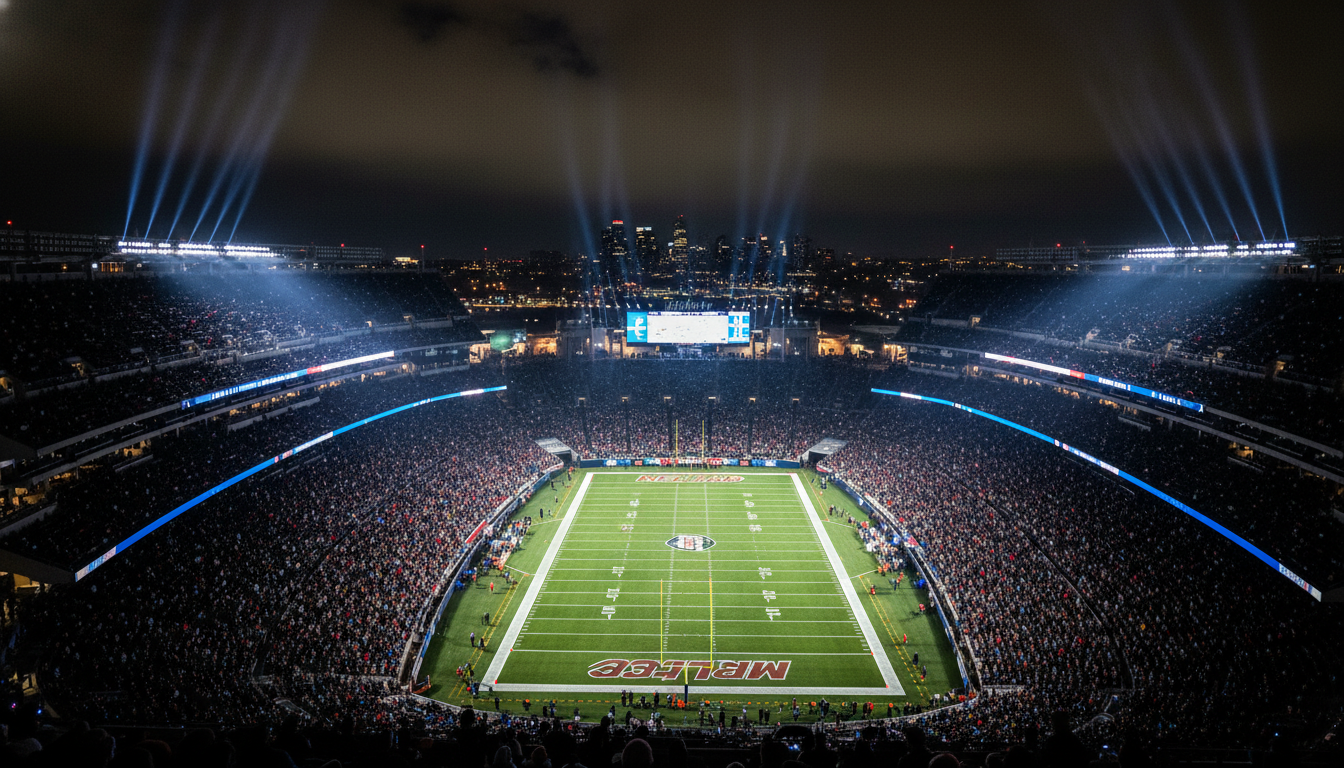
Category 1 tickets for the 2026 FIFA World Cup Final at MetLife Stadium have reached an unprecedented $10,990 in the April 2026 sales phase, marking a significant shift in FIFA’s commercial strategy. This figure represents an increase of over 70% from the original face value of $6,370 when tickets first became available in October 2025. The dramatic price escalation is a direct consequence of FIFA’s decision to introduce dynamic pricing for the first time in the tournament’s history, a move designed to calibrate ticket costs with real-time demand and maximize revenue for the global governing body. As the final on 19 July 2026 draws closer, and with the last-minute sales phase now underway, understanding the mechanics and implications of this pricing model is crucial for fans, stakeholders, and the broader sports economy. This analytical dive explores how dynamic pricing operates, its impact on the market, and what it signals for the future of major international sporting events.
The Escalation of Value: A New Era for World Cup Tickets
The current price point of $10,990 for a Category 1 ticket to the 2026 World Cup Final is not merely an incremental adjustment; it signifies a fundamental re-evaluation of the event’s market value. When initial sales commenced in October 2025, the face value for these premium seats was set at $6,370. The subsequent surge to over $10,000, a jump exceeding 70%, illustrates the potent effect of dynamic pricing, a sophisticated algorithmic strategy that adjusts ticket prices based on a multitude of real-time variables. This unprecedented implementation marks a departure from traditional fixed-price models that have historically characterized World Cup ticketing. FIFA’s explicit commercial strategy for the 2026 tournament, which is being hosted across the United States, Canada, and Mexico, has openly targeted premium-pricing North American audiences, recognizing the region’s robust market capacity and willingness to invest in high-demand sporting spectacles. The decision to host the final at MetLife Stadium in the New York/New Jersey metropolitan area further underscores this strategic alignment, placing the pinnacle event in one of the world’s most lucrative and accessible markets. This targeted approach, combined with the power of dynamic pricing, allows FIFA to capture a greater share of the economic surplus that might otherwise dissipate into the secondary market, fundamentally reshaping the economics of World Cup attendance.
The shift to dynamic pricing is more than just a pricing mechanism; it is a strategic response to evolving market conditions and a proactive measure to optimize revenue streams. By continuously monitoring demand indicators such as website traffic, sales velocity for specific match categories, geographical interest, and even broader economic trends, FIFA’s system can recalibrate prices to reflect the precise market value at any given moment. This contrasts sharply with previous World Cups where fixed pricing, often tiered by category and stage, left significant arbitrage opportunities for the secondary market. The substantial premium commanded by final tickets in the April 2026 sales phase suggests that FIFA’s algorithms are effectively identifying and responding to intense demand, especially for the most coveted seats at the tournament’s climax. The transparent objective to tap into the North American market’s premium pricing potential is evident in these figures, positioning the 2026 World Cup as a landmark event not just for its expanded format, but also for its innovative commercial approach. This strategy aims to ensure that the primary market captures a larger slice of the financial pie, reflecting the immense global interest and the unique prestige associated with the World Cup Final.
Understanding Dynamic Pricing in Practice
Dynamic pricing, as implemented by FIFA for the 2026 World Cup, functions as an adaptive economic model designed to optimize revenue by aligning ticket prices with real-time market demand. This sophisticated system continuously monitors various metrics to inform pricing adjustments. For instance, if a particular match category or a specific block of seats experiences a surge in purchase intent or actual sales velocity, the system can automatically increase the price for the remaining inventory. Conversely, if demand softens, prices could theoretically adjust downwards, though for an event of the World Cup Final’s magnitude, especially for Category 1 tickets, sustained upward pressure is the more probable outcome as the event approaches. The core principle is to avoid leaving money on the table, a common challenge with static pricing models where initial prices are set months or even years in advance, often failing to account for unforeseen spikes in interest or changes in market sentiment.
A critical factor influencing FIFA’s adoption of dynamic pricing, and a clear indicator of its potential effectiveness, is the historical performance of the resale market. For previous tournaments, the secondary market for high-demand matches, particularly the final, consistently traded well above the primary sale prices. This demonstrated a significant gap between FIFA’s initial valuation and the true market value perceived by consumers, allowing resellers to capture substantial profits. By implementing dynamic pricing, FIFA aims to internalize a portion of this value, bringing primary market prices closer to what the secondary market indicates buyers are willing to pay. The current $10,990 price for a Category 1 final ticket, which is over 70% above its original face value, strongly suggests that FIFA’s system is effectively tracking and responding to this demand, pushing prices toward equilibrium with the robust resale market. This approach not only enhances FIFA’s revenue generation but also introduces a new layer of complexity for fans, who must now navigate a fluid pricing landscape rather than a fixed one, potentially rewarding early purchasers while penalizing those who wait. The strategic objective is clear: to maximize financial returns from an event that represents a pinnacle of global sport, leveraging advanced analytics to capture market surplus in real time.
The 2026 Tournament Landscape: Scale and Demand
The 2026 FIFA World Cup is set to be an event of unprecedented scale, a factor that inherently amplifies demand and, consequently, influences the efficacy and impact of dynamic pricing. This edition of the tournament is the largest in World Cup history, featuring an expanded format with 48 teams competing across 104 matches. This significant increase in the number of participating nations and games naturally broadens the global appeal and intensifies the competition for tickets across all stages. The tournament, spanning from 11 June to 19 July 2026, will be hosted across multiple cities in the United States, Canada, and Mexico, creating a vast geographical footprint that caters to a diverse and expansive fan base. The sheer magnitude of the event provides a fertile ground for dynamic pricing mechanisms to operate, as the variable interest across different teams, venues, and match-ups allows for continuous price optimization.
The robust demand for tickets is already evident in the sales figures. More than 5 million tickets have already been sold across various phases leading up to April 2026, indicating an extraordinary level of global interest even before the final, highest-demand sales windows. This substantial pre-sales volume not only underscores the World Cup’s enduring popularity but also provides a strong foundation for the dynamic pricing model to build upon. With such a large existing base of committed attendees, the pressure on remaining tickets, particularly for prime matches like the final, is intensified. The expanded format means more nations will experience the thrill of World Cup participation, potentially driving up demand from new fan demographics and geographical regions. This combination of increased scale and demonstrated demand creates a unique economic environment where dynamic pricing can truly thrive, ensuring that ticket prices for the most coveted matches, such as the final at MetLife Stadium, accurately reflect their real-time market value. The underlying expectation is that the massive scale will translate into record attendance and revenue, further legitimizing FIFA’s aggressive pricing strategy.
The Final Sales Push: Opportunities and Challenges
As April 2026 unfolds, the ticketing landscape for the 2026 FIFA World Cup enters its critical final phase, presenting both opportunities and challenges for fans hoping to secure access to this historic tournament. The last-minute sales phase officially commenced on 22 April 2026 at 10:00 AM CT, making tickets available for all 104 matches. This phase is particularly significant as it represents the final primary market opportunity for fans to purchase tickets directly from FIFA, and it will run continuously through to the final whistle on 19 July. During this period, the dynamic pricing model will be in full effect, reacting to immediate demand fluctuations, meaning prices for remaining tickets, especially for high-profile matches and the final, could continue to adjust upwards or downwards based on real-time market conditions. The urgency of this phase, coupled with the fluidity of dynamic pricing, adds an element of strategic decision-making for prospective attendees: purchase now at the current rate, or risk higher prices later, or potentially miss out entirely.
Further intensifying the sales activity within this final window, Verizon launched a national ticket drop on 28 April 2026 at 3:00 PM ET. Such promotional events, often tied to official sponsors, serve multiple purposes. They provide additional avenues for ticket distribution, generate marketing buzz, and can trigger localized or time-sensitive surges in demand, which the dynamic pricing system will undoubtedly register and respond to. For fans, these drops can represent a fleeting opportunity to secure tickets that might otherwise be unavailable or priced higher through the general sales portal. However, the limited nature and high competition for such drops also mean that many will be left disappointed. The ongoing nature of the last-minute phase, covering all matches, ensures a continuous stream of activity and price adjustments, particularly for popular fixtures. The challenge for fans lies in navigating this complex and ever-changing market, where prices are not static, and availability can shift rapidly. While the opportunity to attend the largest World Cup ever remains, securing a seat, particularly for the final at MetLife Stadium, requires vigilance and an understanding of the dynamic forces at play in this unprecedented ticketing environment.
Commercial Strategy and Market Impact
FIFA’s commercial strategy for the 2026 World Cup is unequivocally centered on maximizing revenue, with the implementation of dynamic pricing being a cornerstone of this approach. The explicit targeting of premium-pricing North American audiences is not merely a geographic consideration but a recognition of the robust economic conditions and high disposable income prevalent in the host region. This strategy extends beyond individual ticket sales, influencing broader commercial agreements including hospitality packages, sponsorships, and media rights, all of which are calibrated to reflect the perceived high value of the North American market. By extracting higher prices at the primary ticket sale level, FIFA not only boosts its direct revenue but also reinforces the perceived prestige and exclusivity of the event, which can in turn drive up the value of associated commercial partnerships. The $10,990 Category 1 final ticket price serves as a tangible manifestation of this high-value commercial positioning.
The market impact of dynamic pricing is multifaceted. Firstly, it compresses the arbitrage opportunities that historically existed between the primary and secondary ticketing markets. By allowing primary prices to float closer to what the market is willing to bear, FIFA effectively captures some of the consumer surplus that would otherwise be absorbed by resellers. This strategy aims to deter large-scale speculative purchasing in the primary market solely for resale profit, though a robust secondary market for highly sought-after tickets is likely to persist. Secondly, it sets a new precedent for major global sporting events, indicating a future where event organizers are increasingly sophisticated in their revenue optimization strategies, leveraging data analytics and real-time market intelligence. The 2026 World Cup, with its record 48 teams and 104 matches, provides an ideal testing ground for such a comprehensive dynamic pricing model on a global scale. The success of this approach could fundamentally alter how future major events are priced and marketed, shifting towards a more data-driven, flexible, and responsive ticketing ecosystem. The implications extend to fan engagement, accessibility, and the overall perception of value, as stakeholders grapple with a new era of event economics.
The $10,990 price tag for a Category 1 final ticket is more than just a number; it is a clear signal of FIFA’s aggressive, data-driven commercial strategy and the undeniable power of real-time demand. The introduction of dynamic pricing marks a significant evolution in World Cup ticketing, reflecting both the immense global interest in the tournament and a deliberate effort to maximize revenue from the highly engaged North American market. As the last-minute sales phase continues through July 2026, the market will continue to calibrate, but one truth remains evident: attending the 2026 World Cup Final will represent a premium experience, priced to reflect its unparalleled demand and prestige.
Sources: Stock Titan — Verizon FIFA World Cup 2026 Final ticket drop, FOX 11 LA — World Cup 2026 last-minute sales phase begins April 22, NBC DFW — World Cup tickets go on sale again April 22
Sources

Related news
Mexico 2-0 South Africa: Quiñones, Jiménez and Three Red Cards in a Historic Opener
Mexico beat South Africa 2-0 at Estadio Azteca on Thursday 11 June to open the 2026…
17 Days Out: The 2026 World Cup Squad Announcement Week Is Complete
Brazil, Switzerland, Germany, England and Spain have all submitted their final 26. Argentina's cut lands 2…
Manuel Neuer’s Comeback at 40: Inside Germany’s Most Talked-About Goalkeeper Decision
Manuel Neuer has come out of international retirement to be Germany's No. 1 at the 2026…